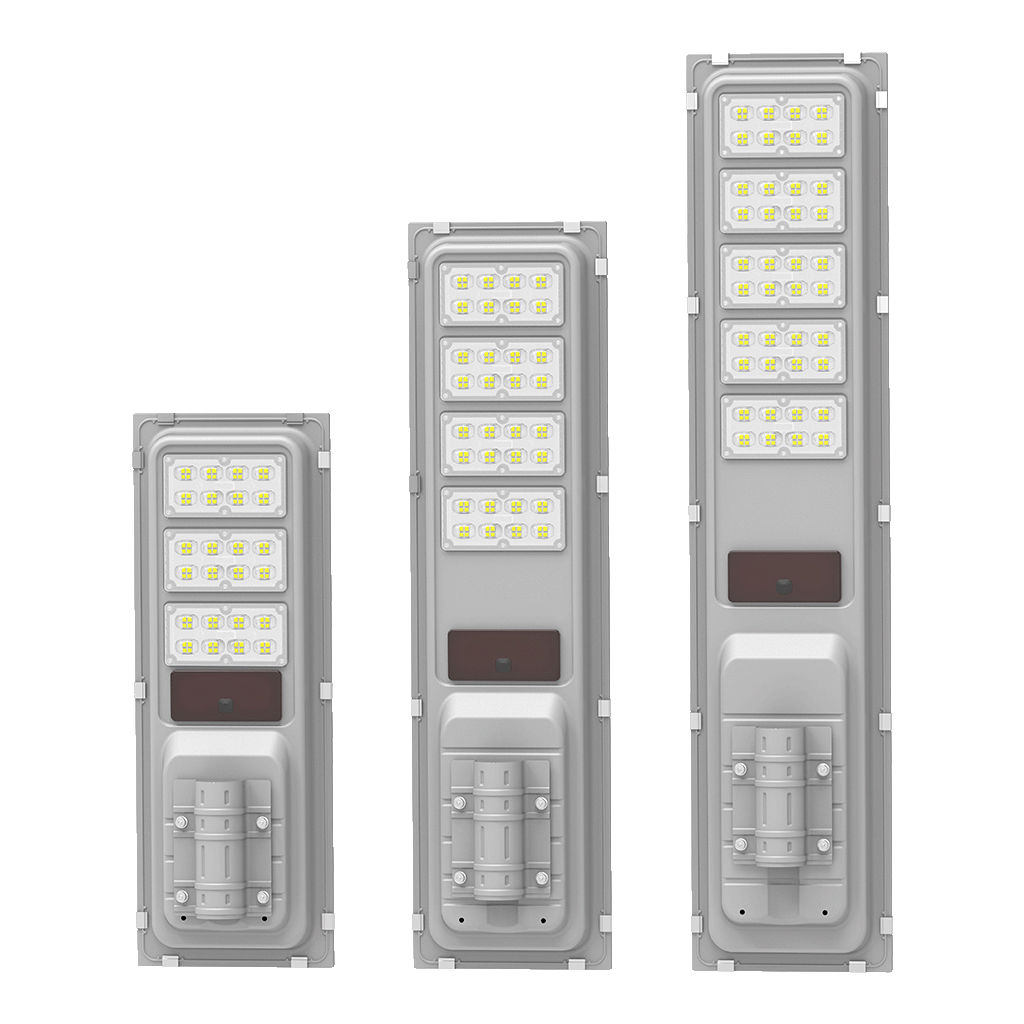
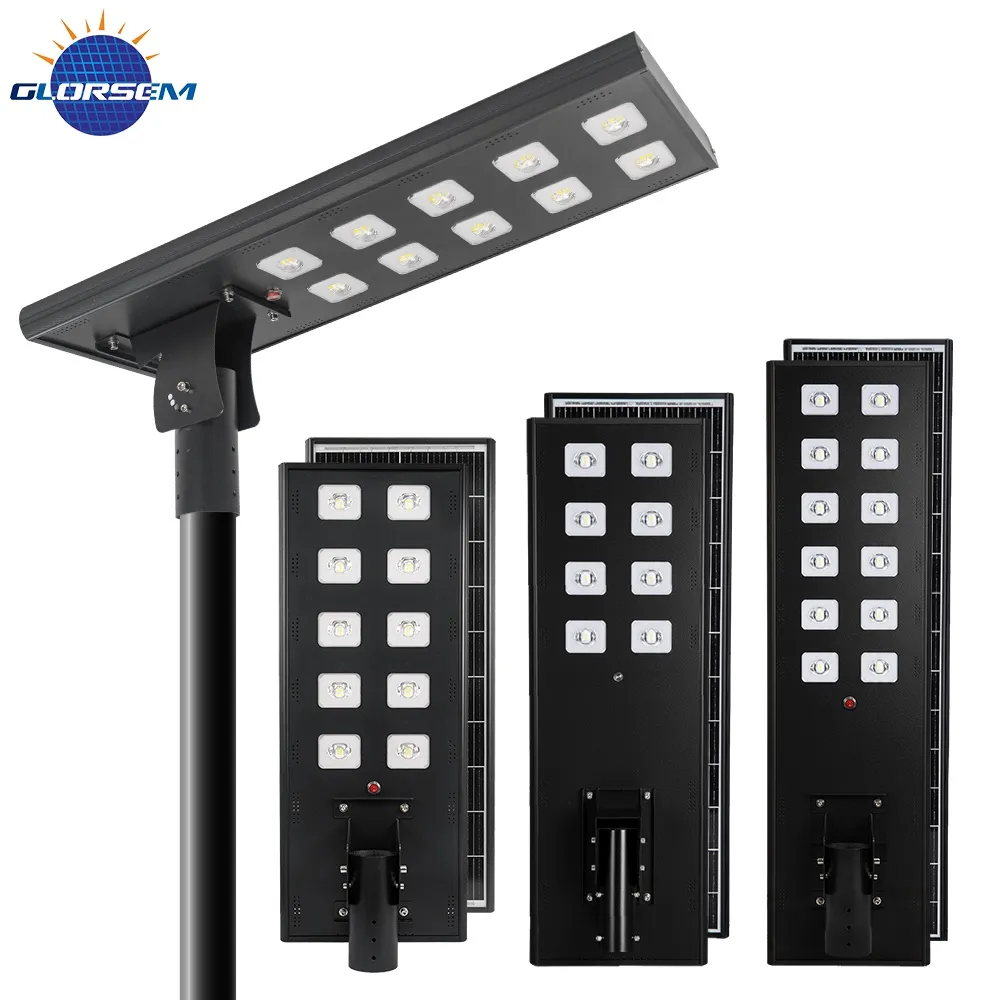
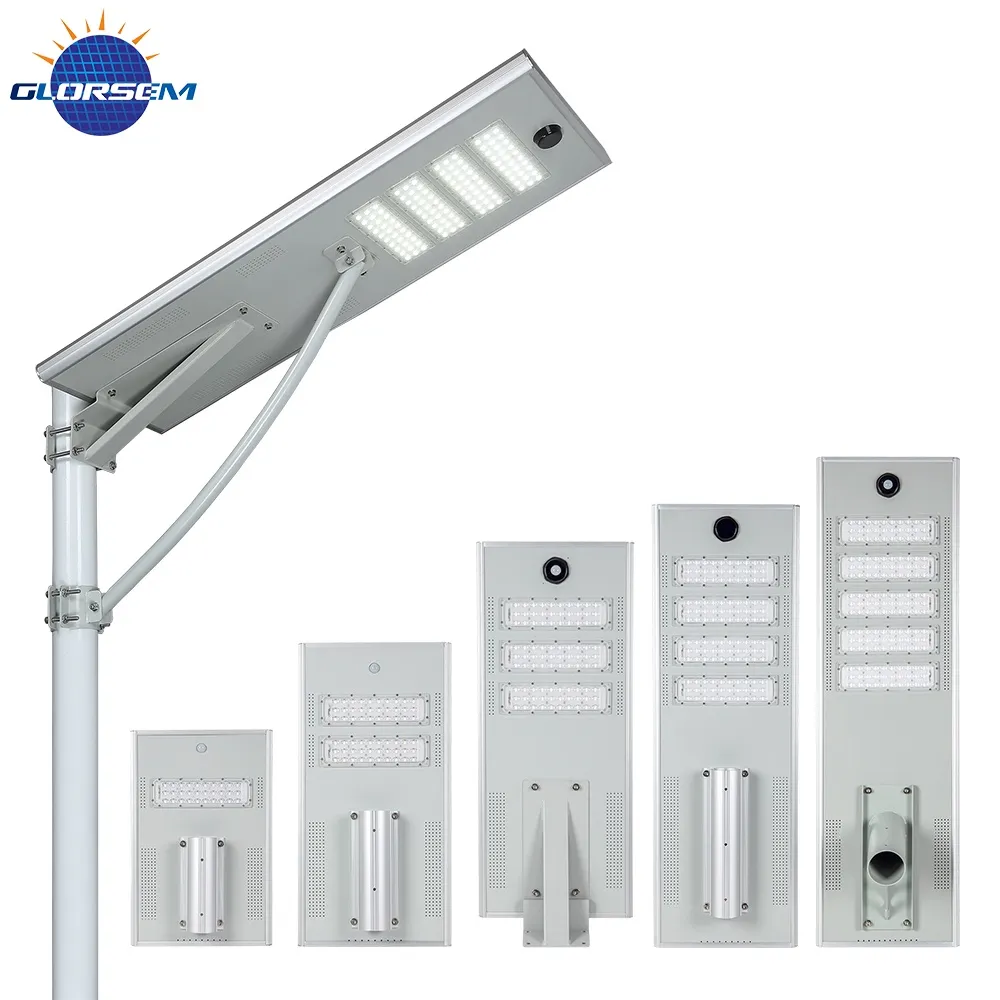
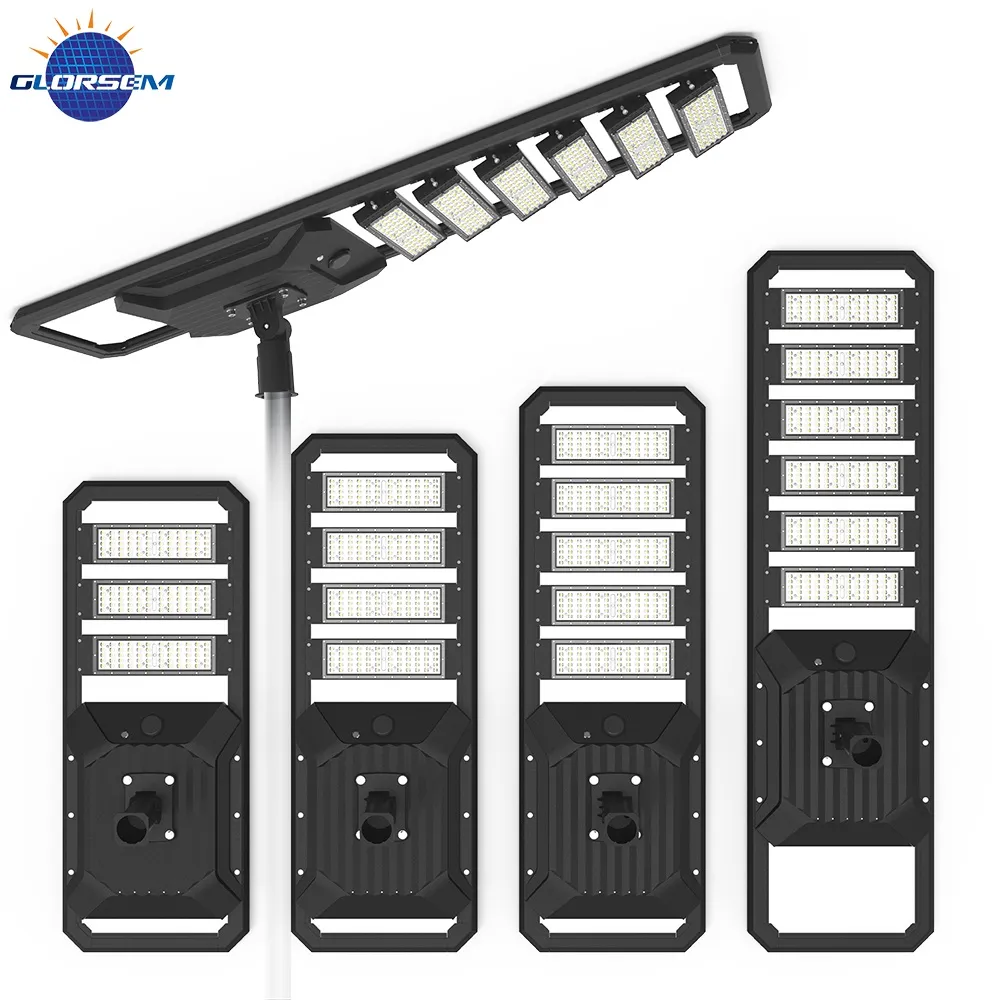
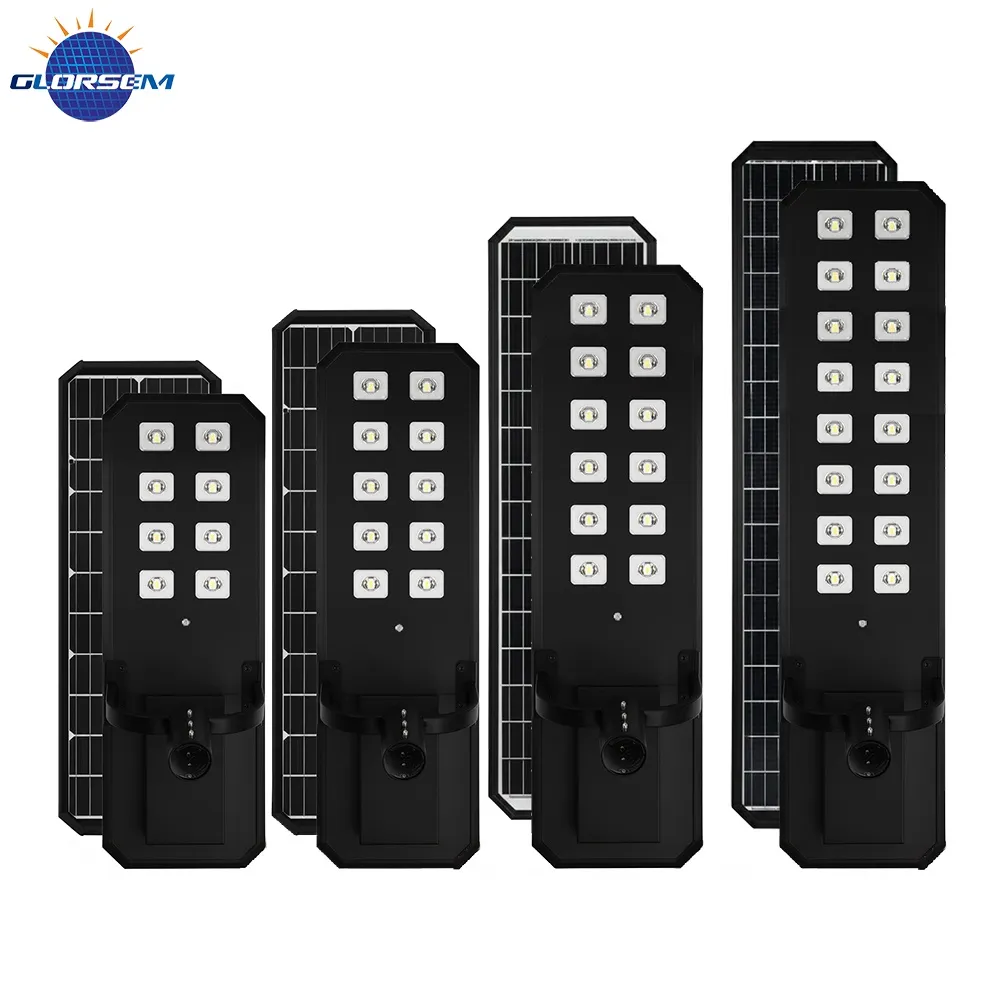
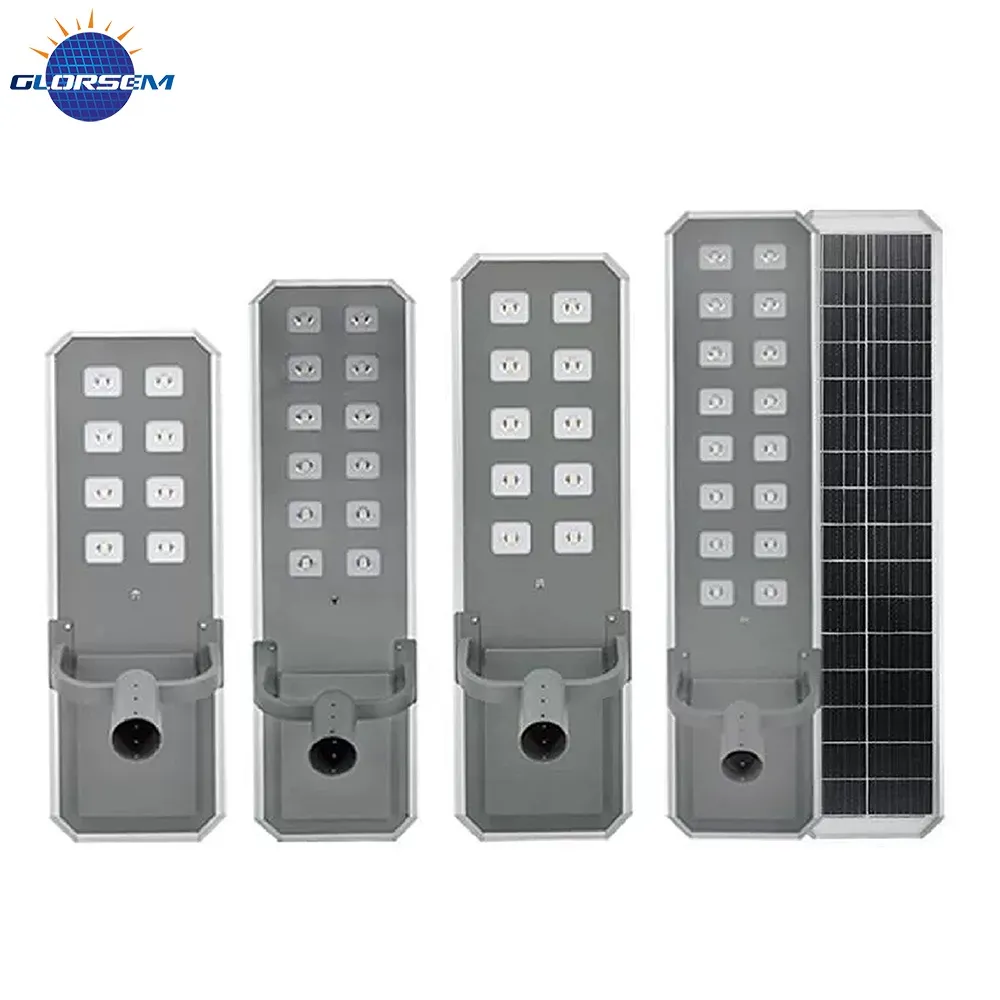
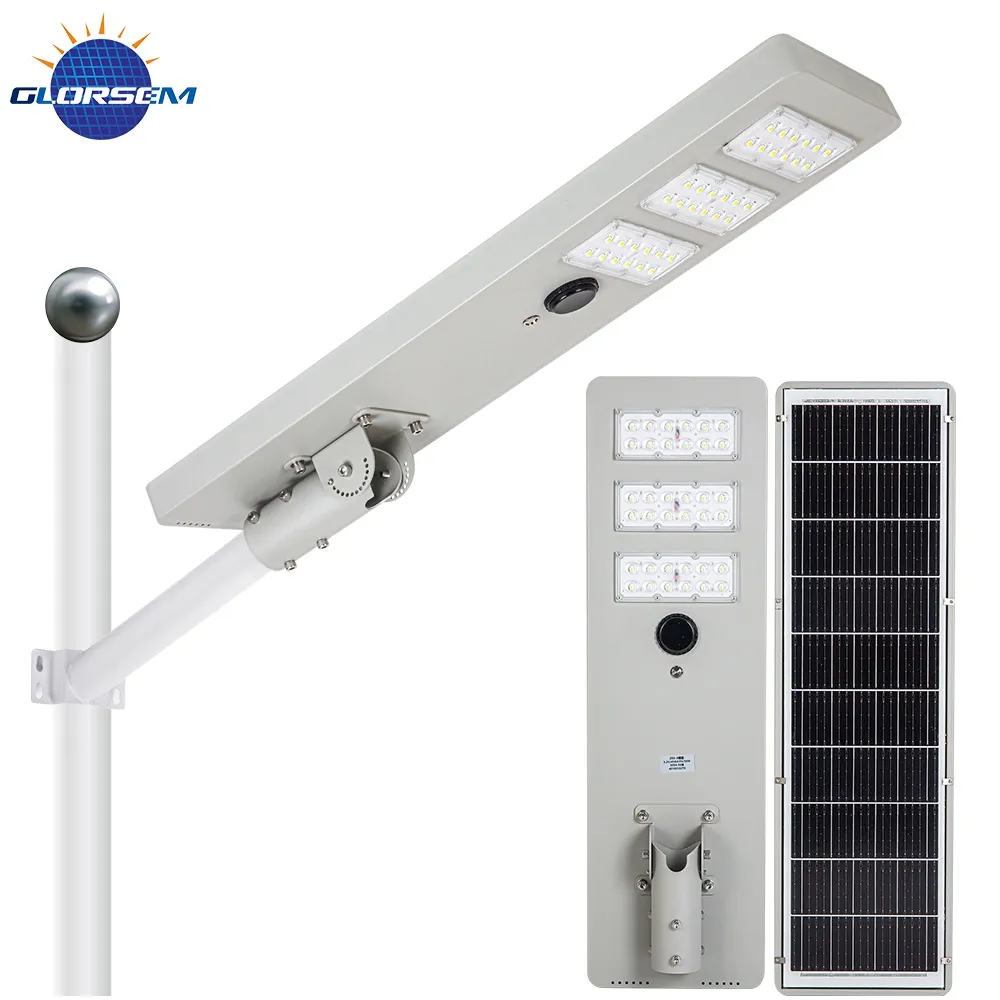
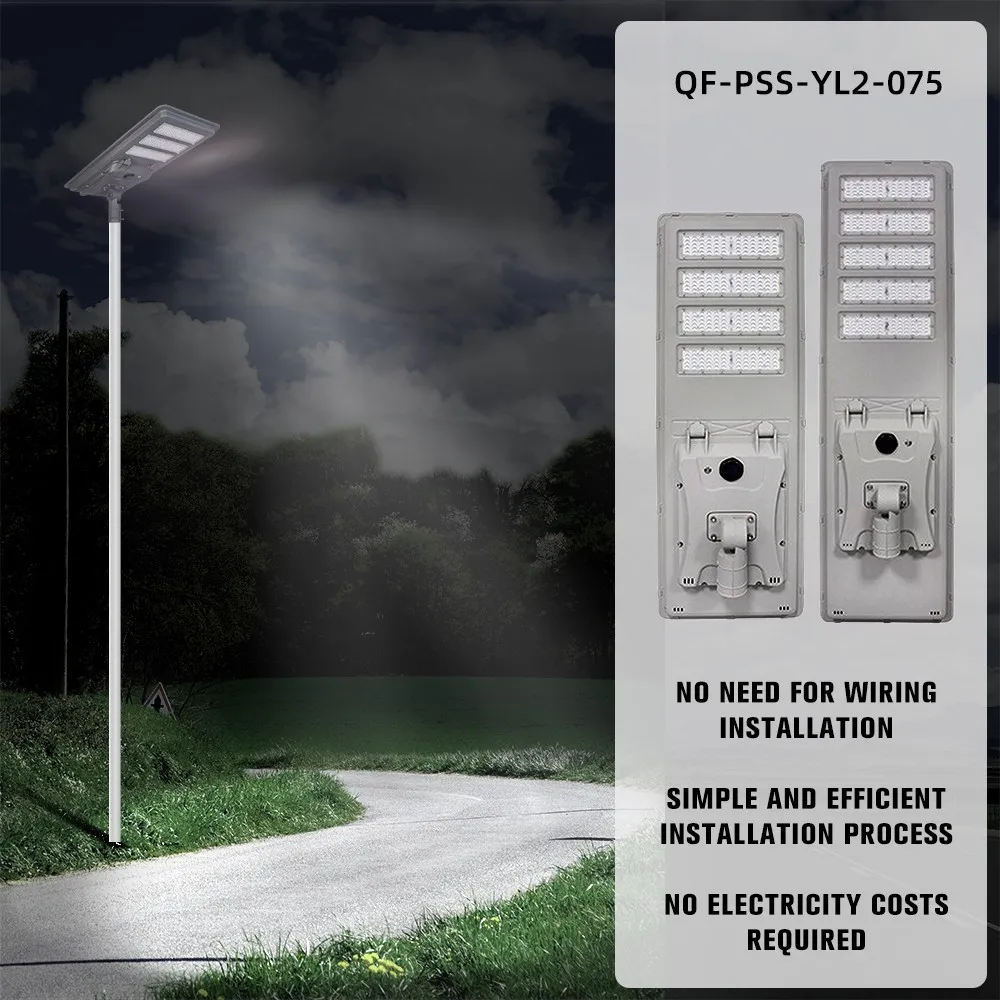
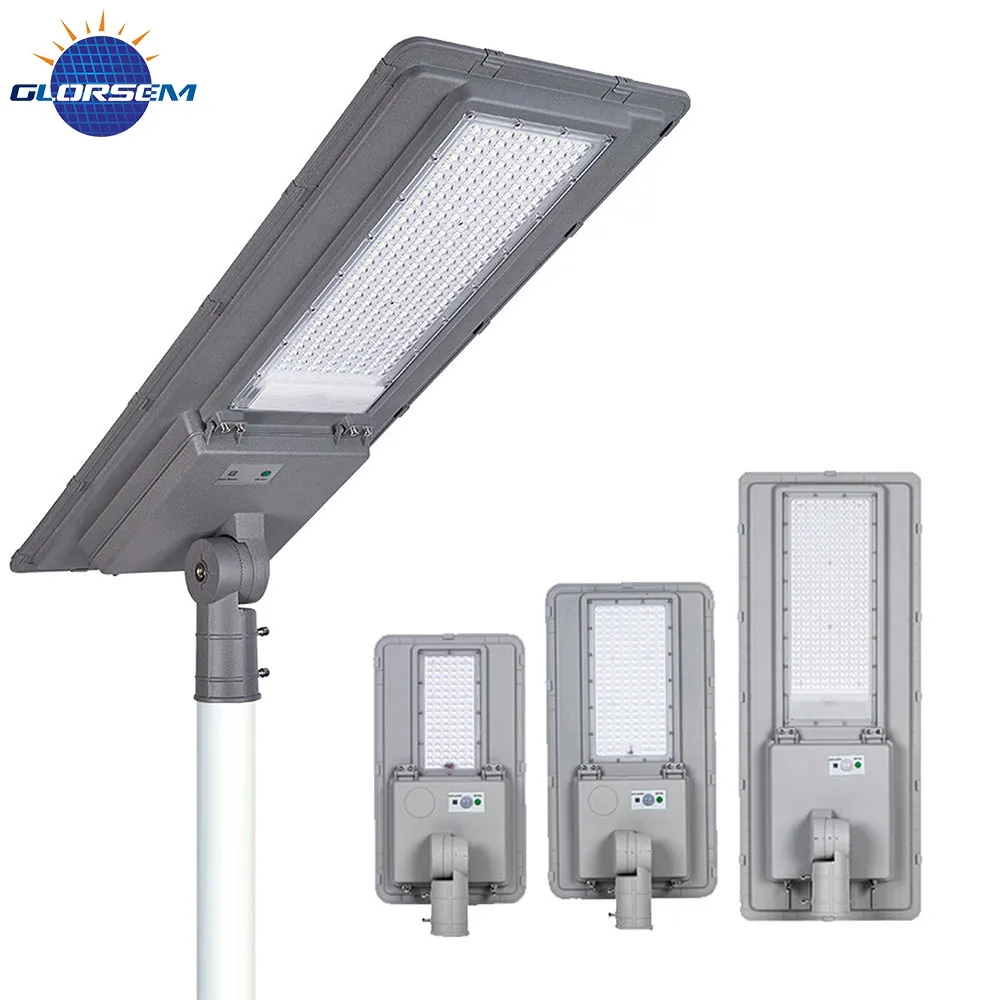
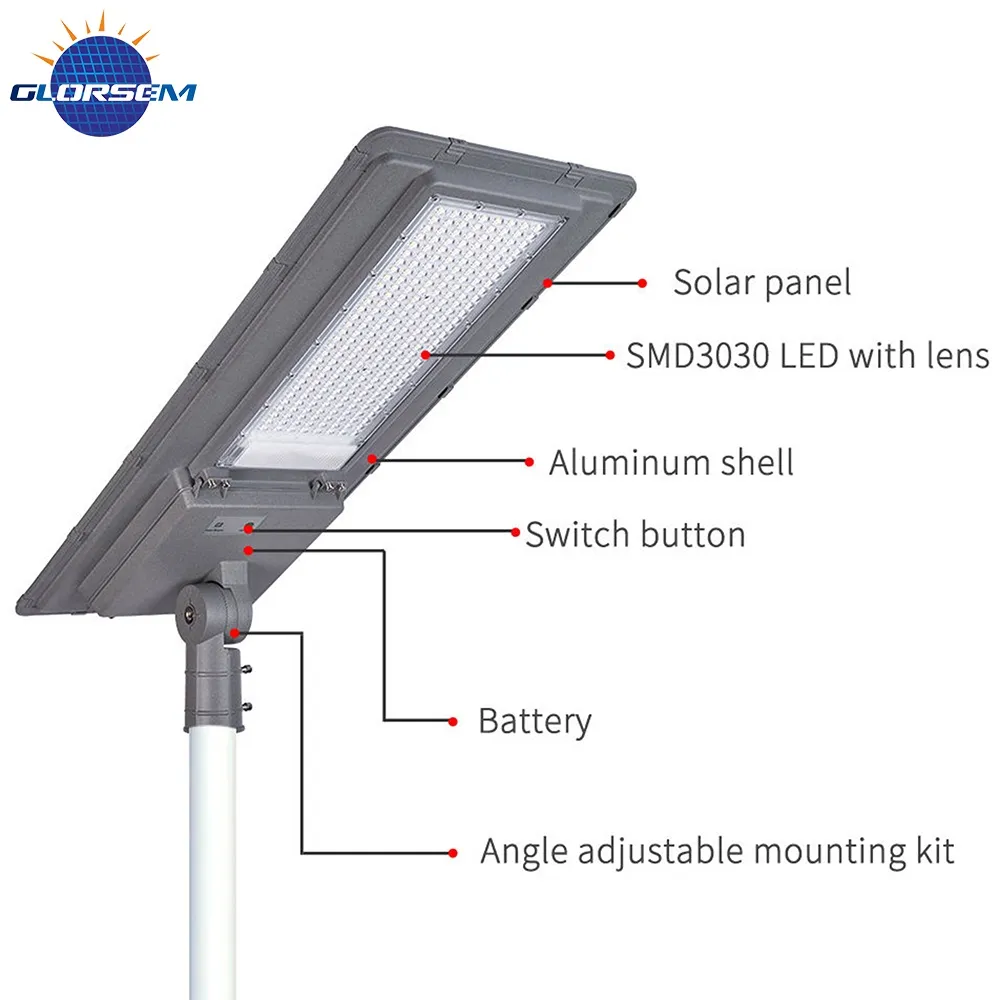
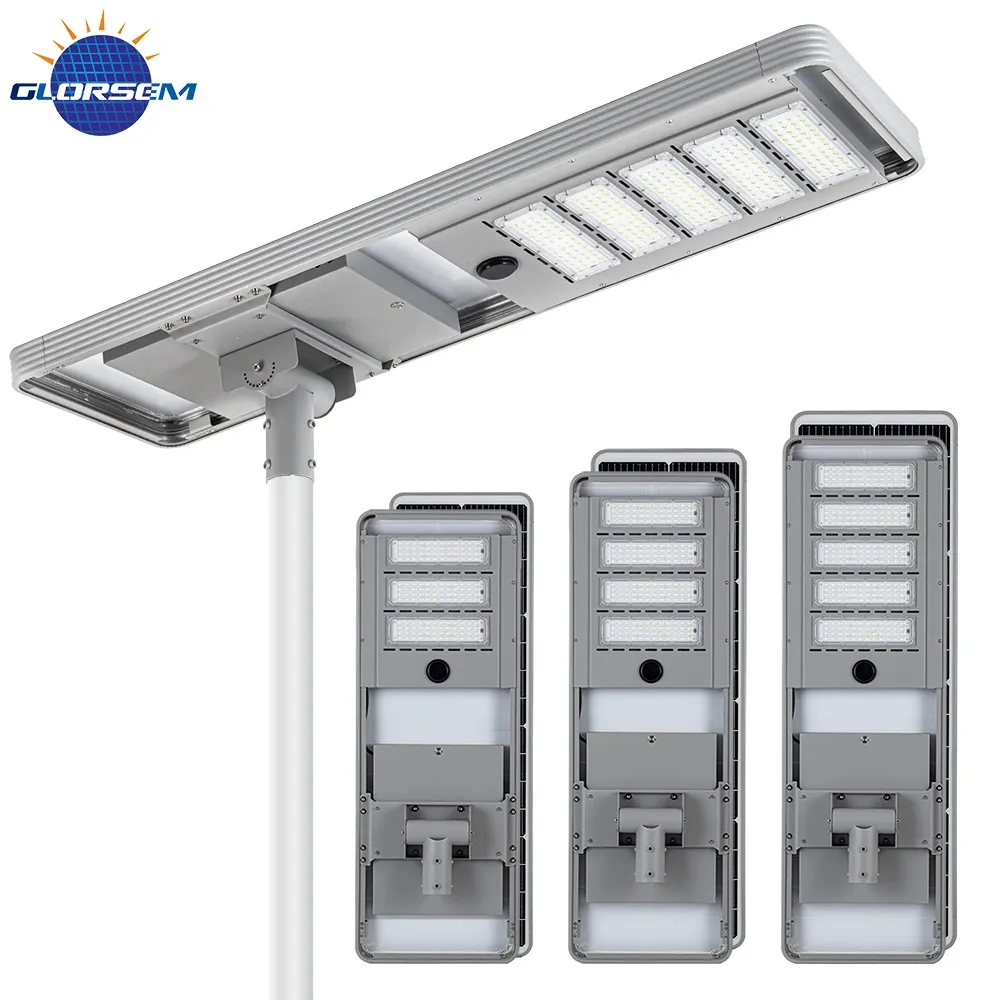
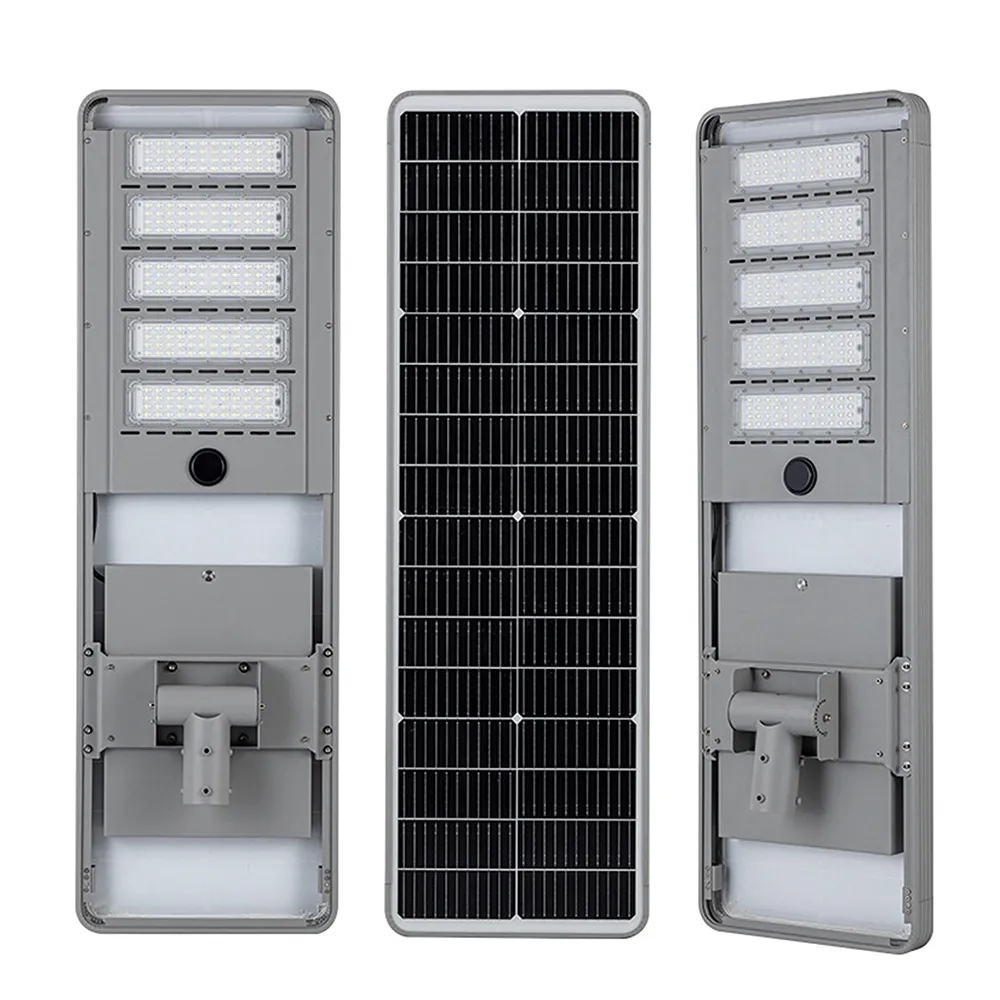
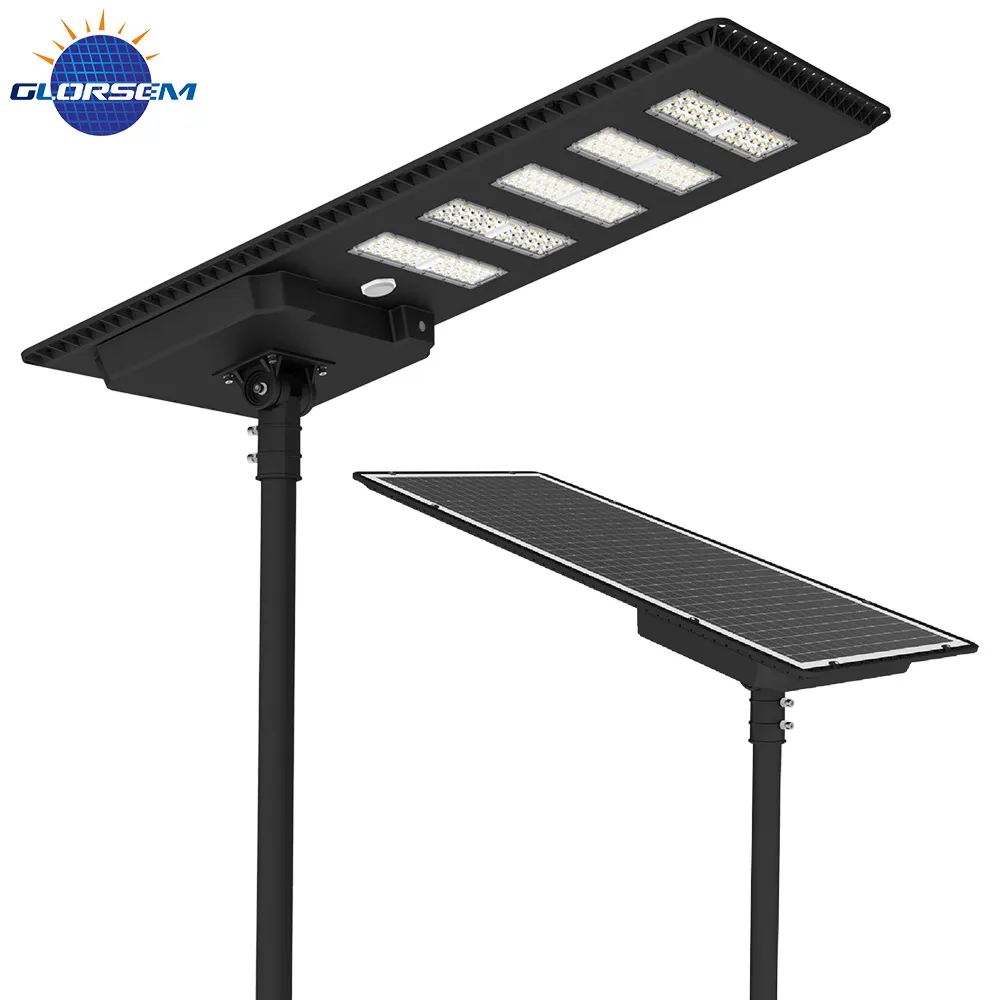
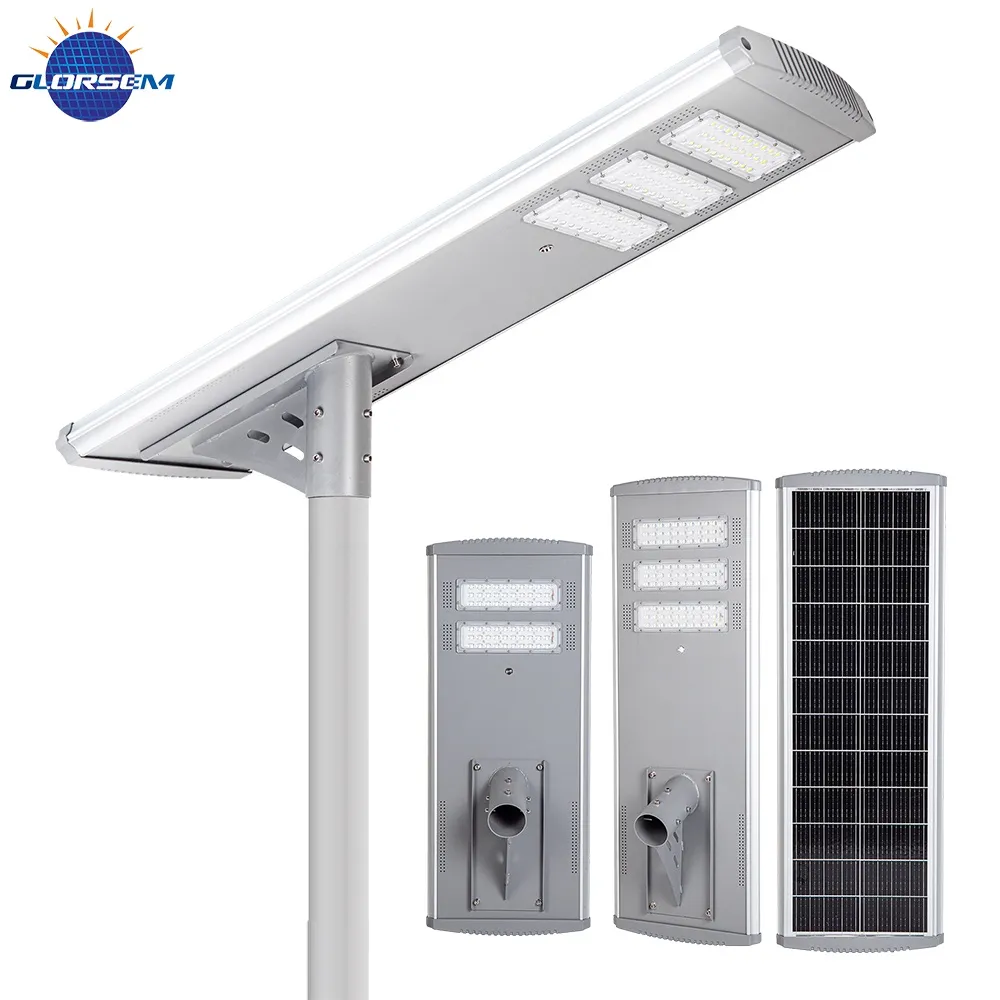
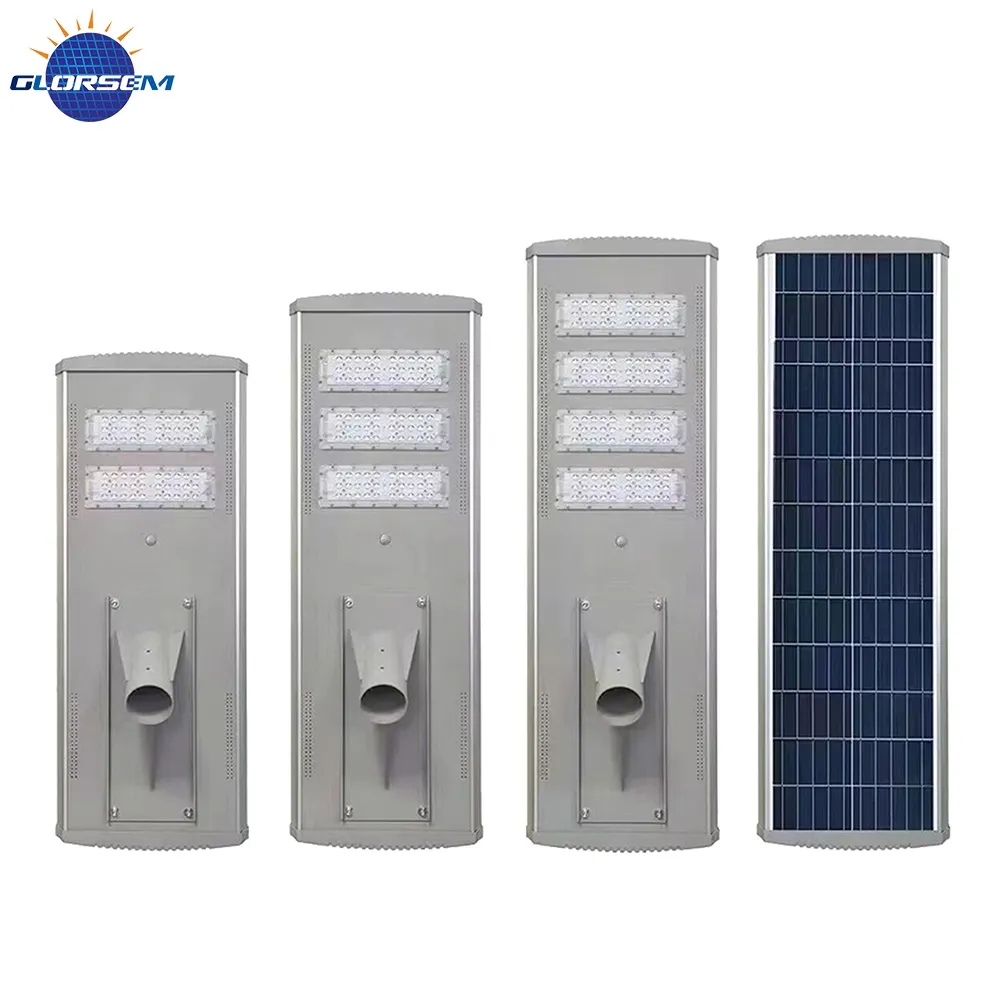
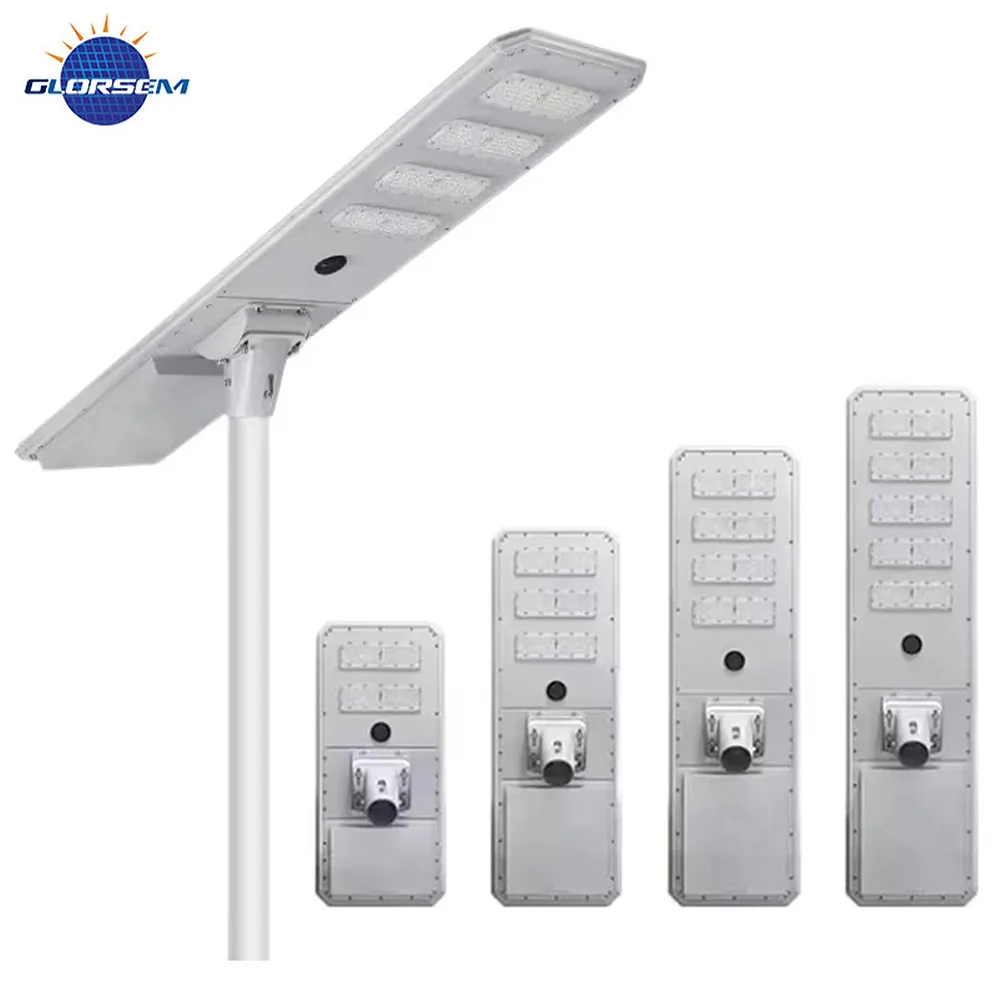
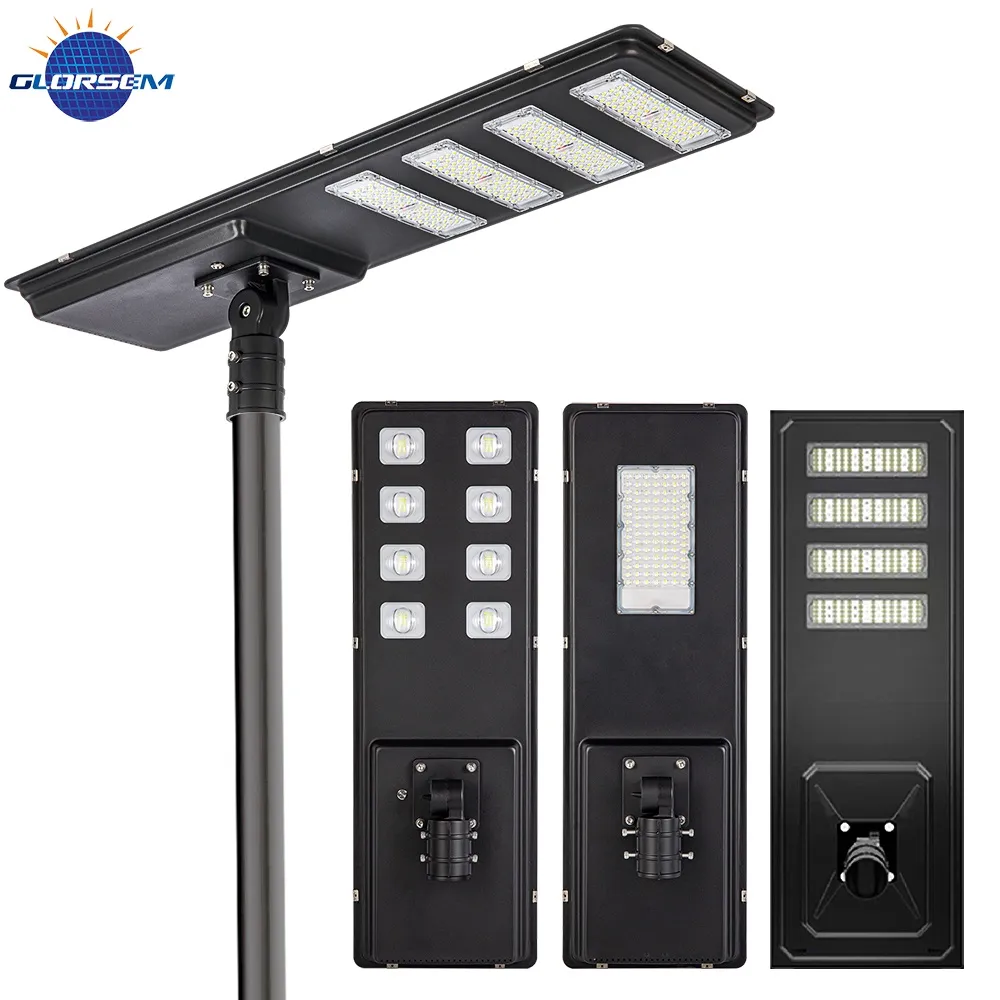
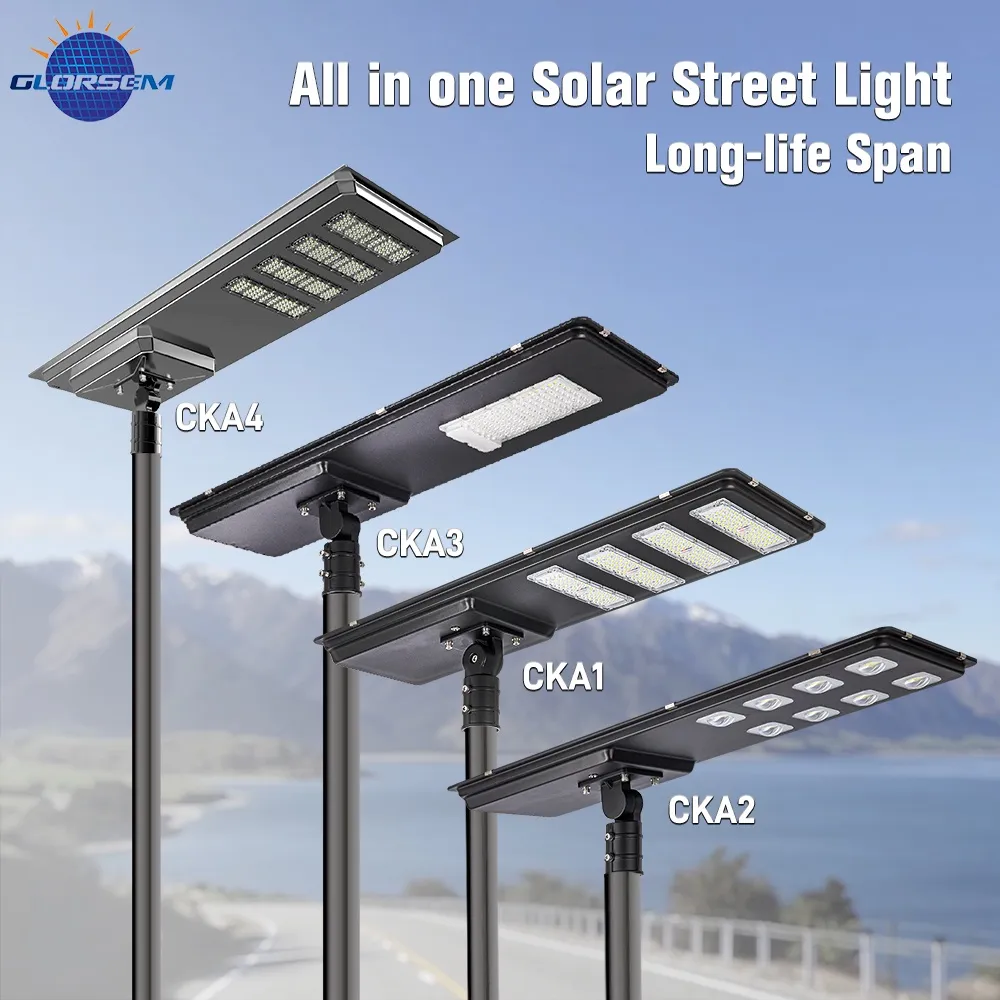
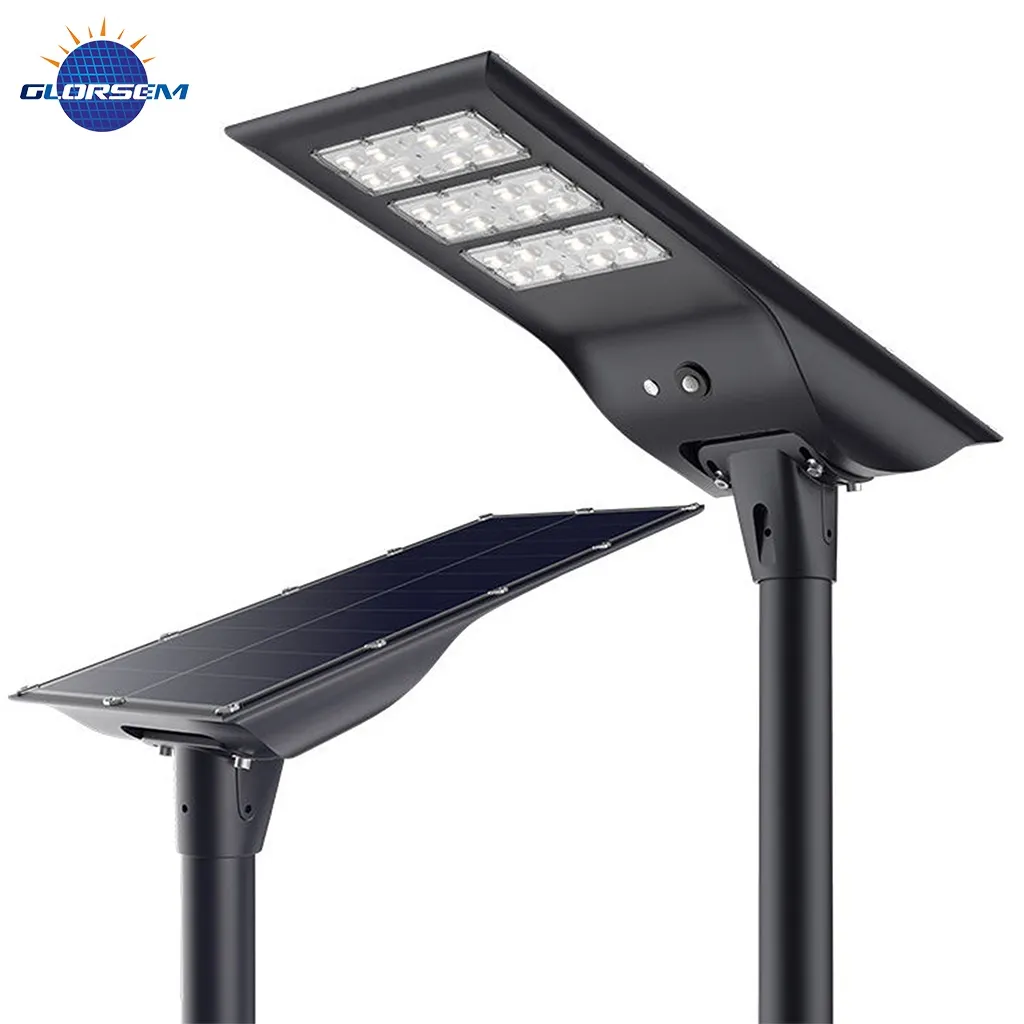
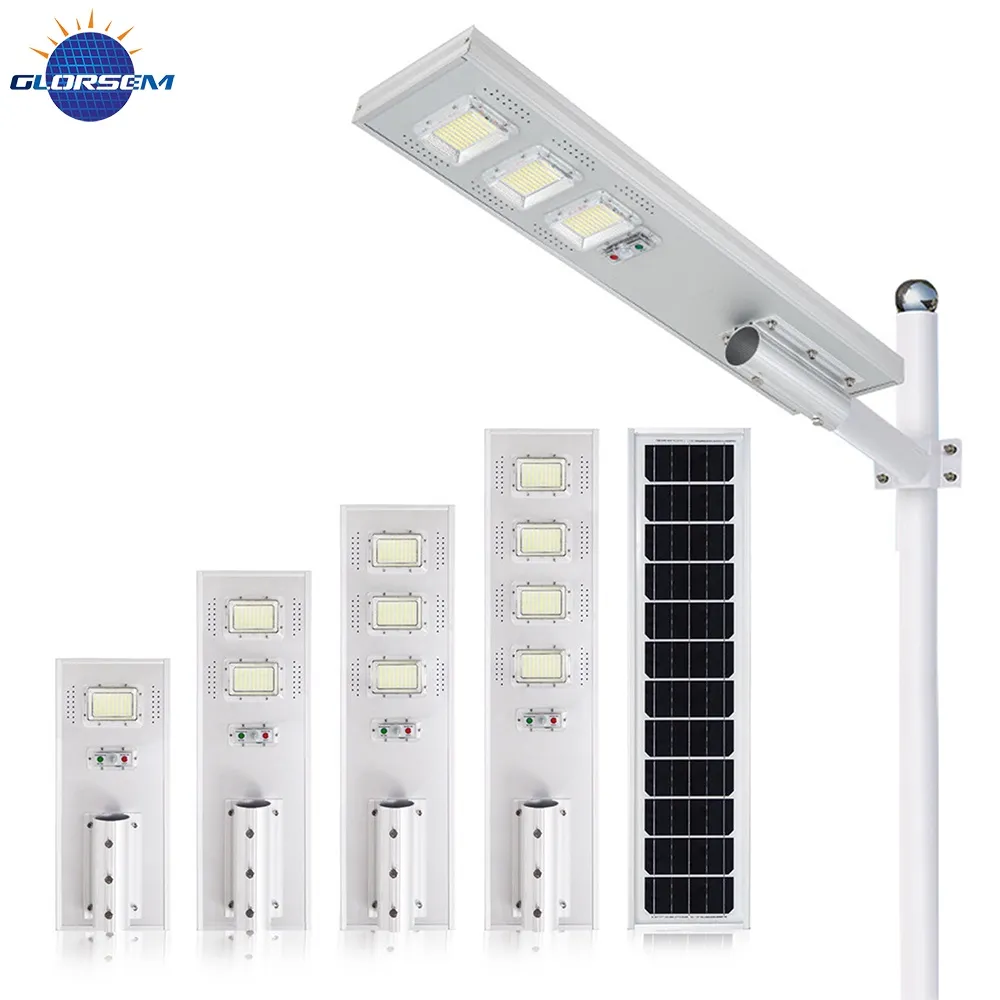
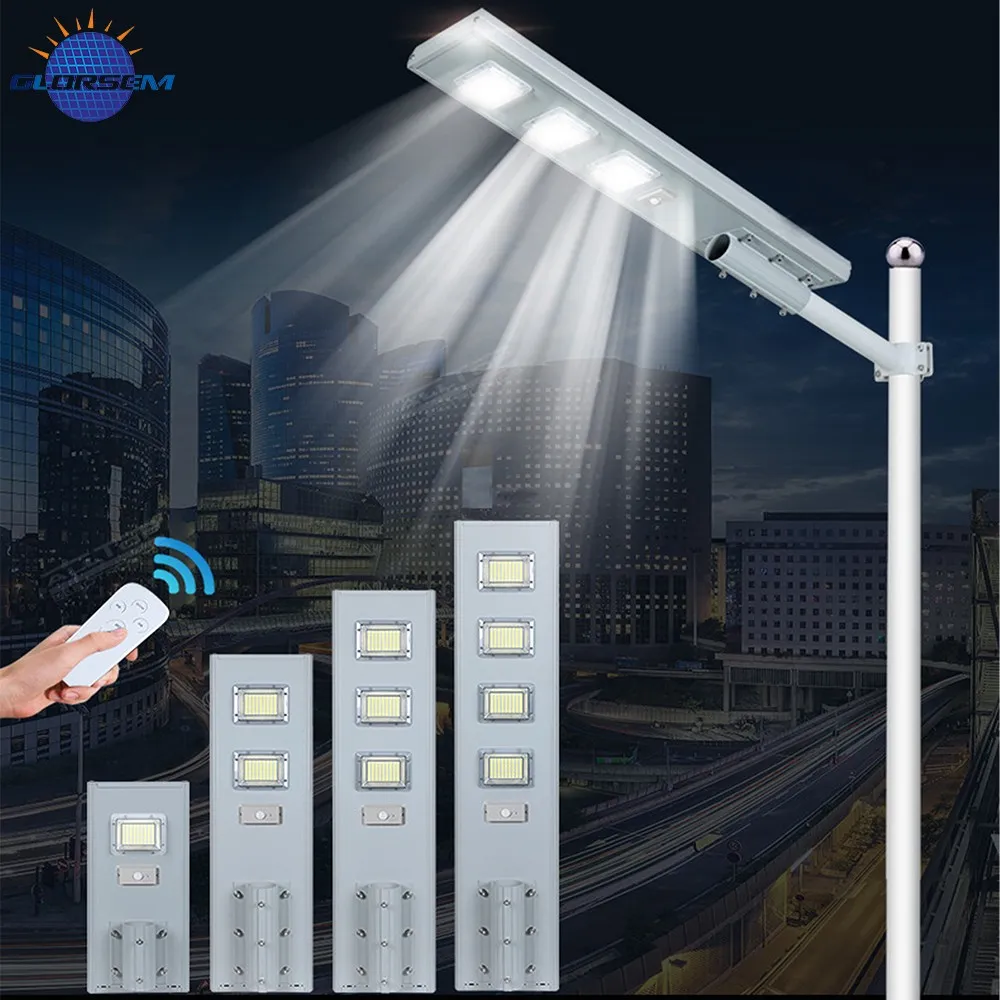
All-in-one solar street light, also known as integrated solar street light, is an intelligent lighting system that integrates all parts into one, and is a new technology of solar street light. As we all know, solar street light includes five parts. Such as light pole, panel, battery, controller, LED light. We provide integrated solar street light designed in Germany. This intelligent light adopts an all-in-one design. The light can work automatically according to day and night. In the past 15 years, Zhongshan Qifeng Lighting Co., Ltd has provided customized products for the global market.
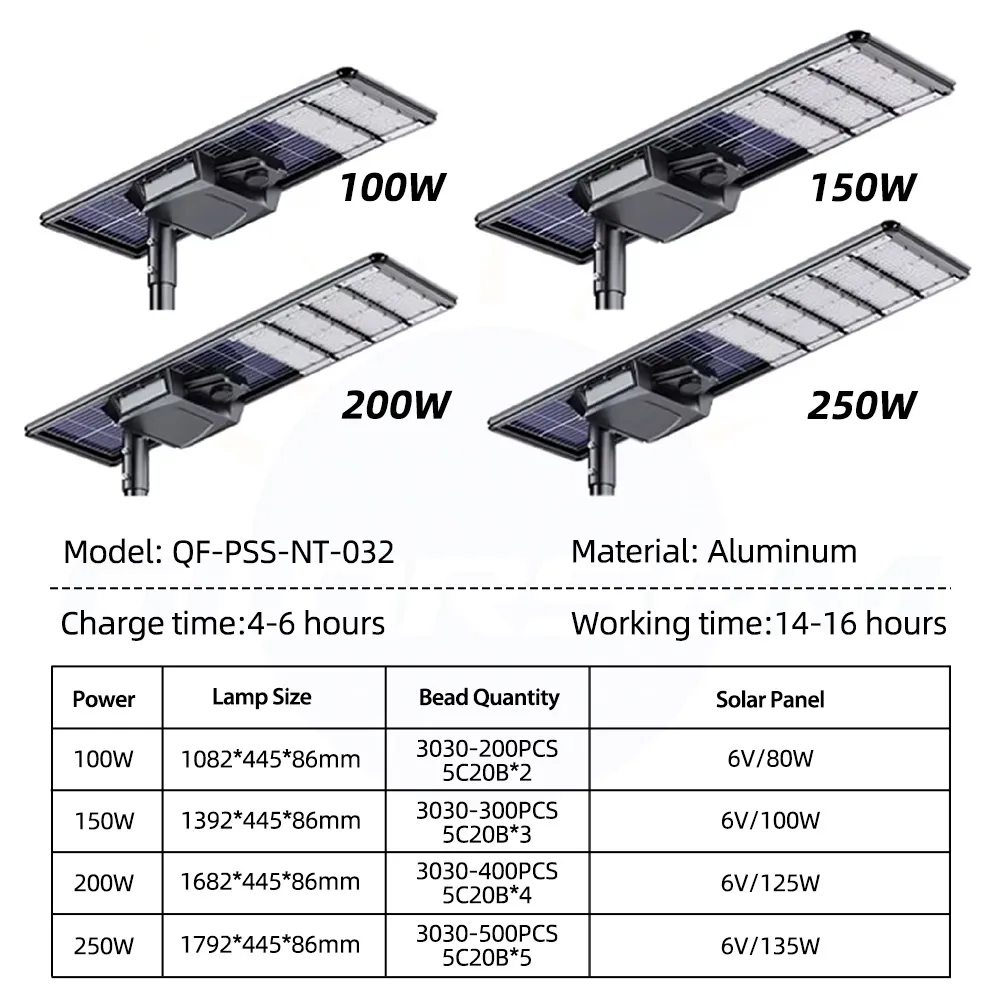
 QF-PSS-ZJ-056
- QF-PSS-PG-041
- QF-PSS-HM-013QF-PSS-HM-013 solar LED street light
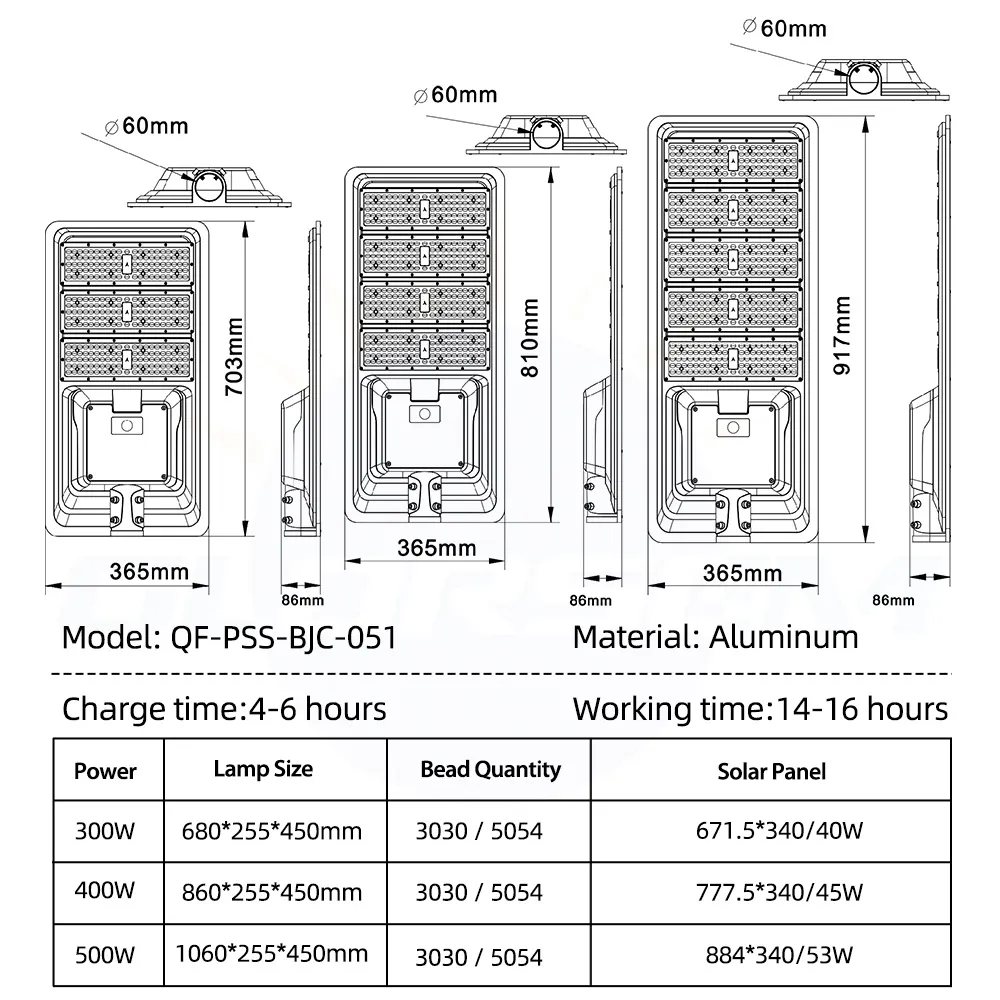
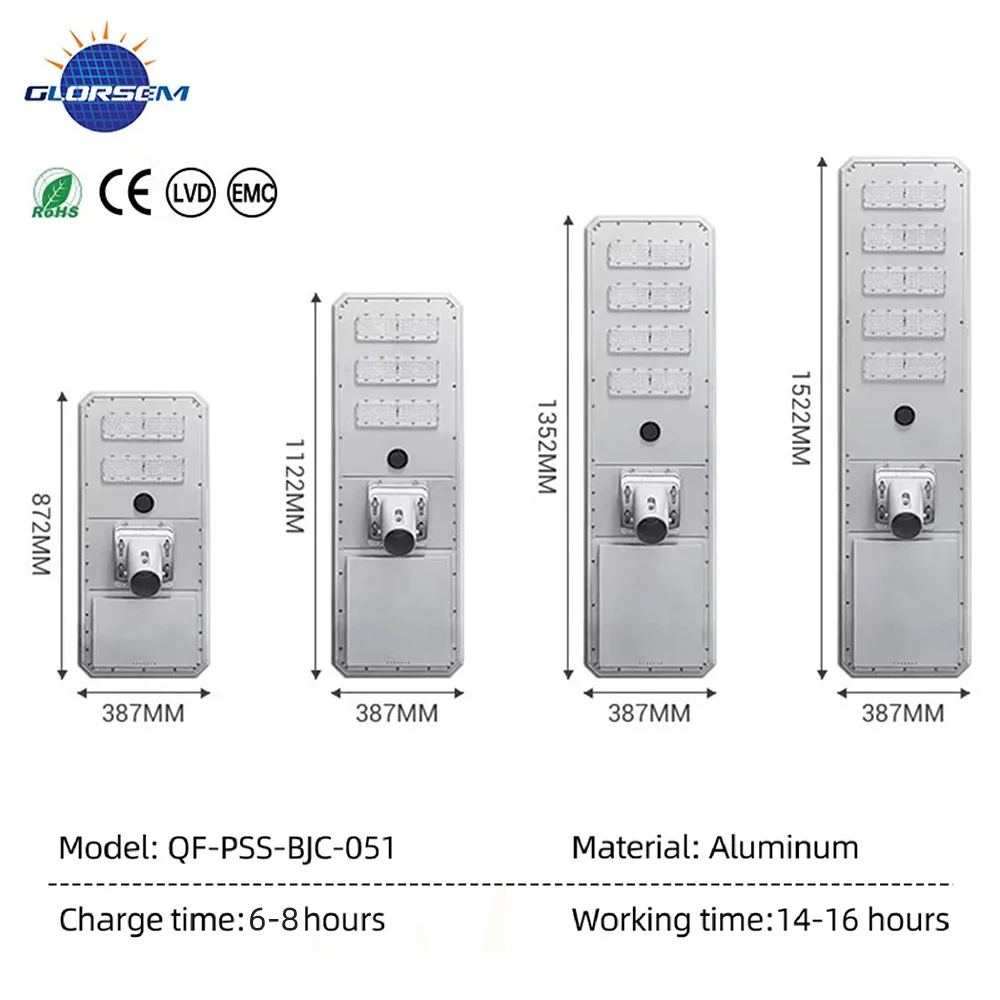
- QF-PSS-BJC-051Explore the QF-PSS-BJC-051 solar LED light with PV panel, durable aluminum body, long 12-hour runtime, and smart power control for efficient outdoor lighting.
- QF-PSS-BD-024Discover QF-PSS-BD-024 LED lighting fixture by QF Lighting, engineered for high efficiency and durability in modern commercial and industrial spaces.
 LHB03-SeriesPower & CCT Selectable
- LHB02-SeriesModular Design, Strong Flexibility
 LHB01-SeriesProfessional Asymmetric light distribution
 SP07-SeriesAdjustable dial
 SP06-SeriesAdjustable dial
- SP05-SeriesAdjustable dial
- SP02-SeriesLED Stadium Lights Adjustable Bracket Design
- SP01-SeriesLED Stadium Light
- FL08-Series
- FL07-Series
- FL06-Series
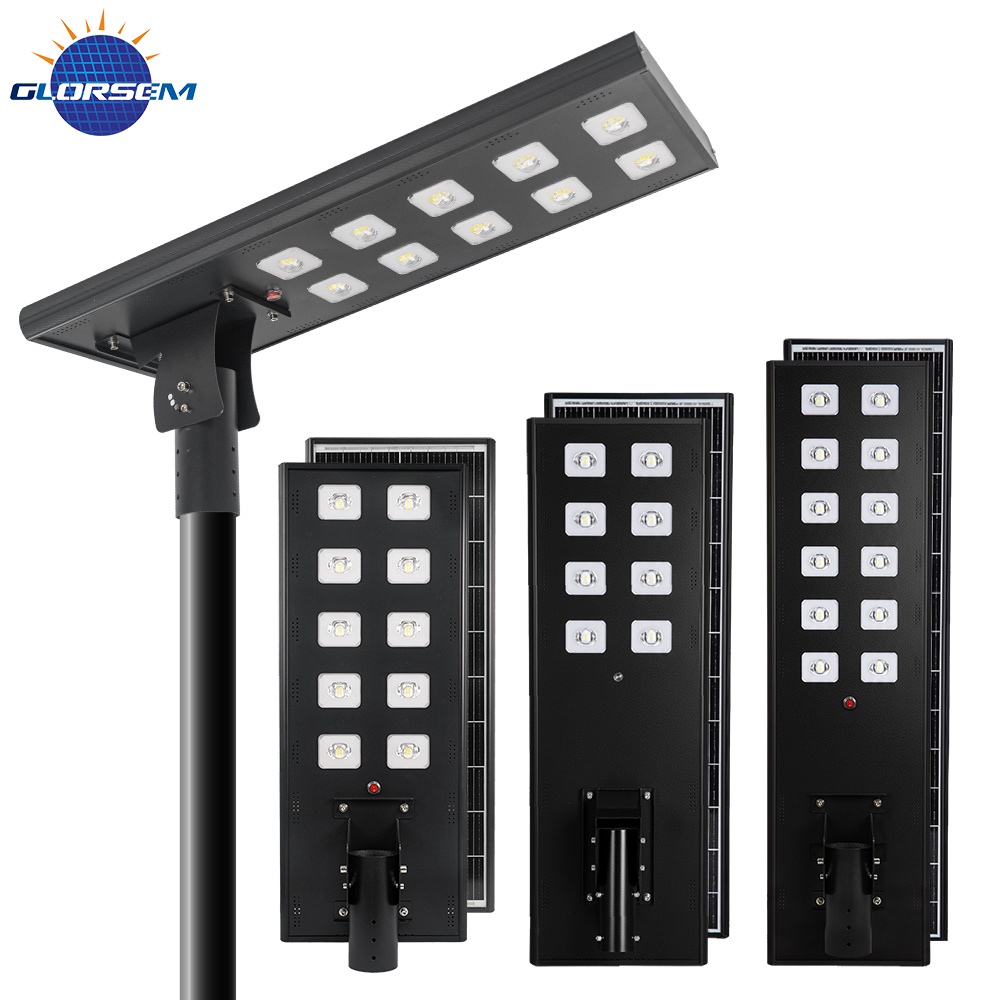
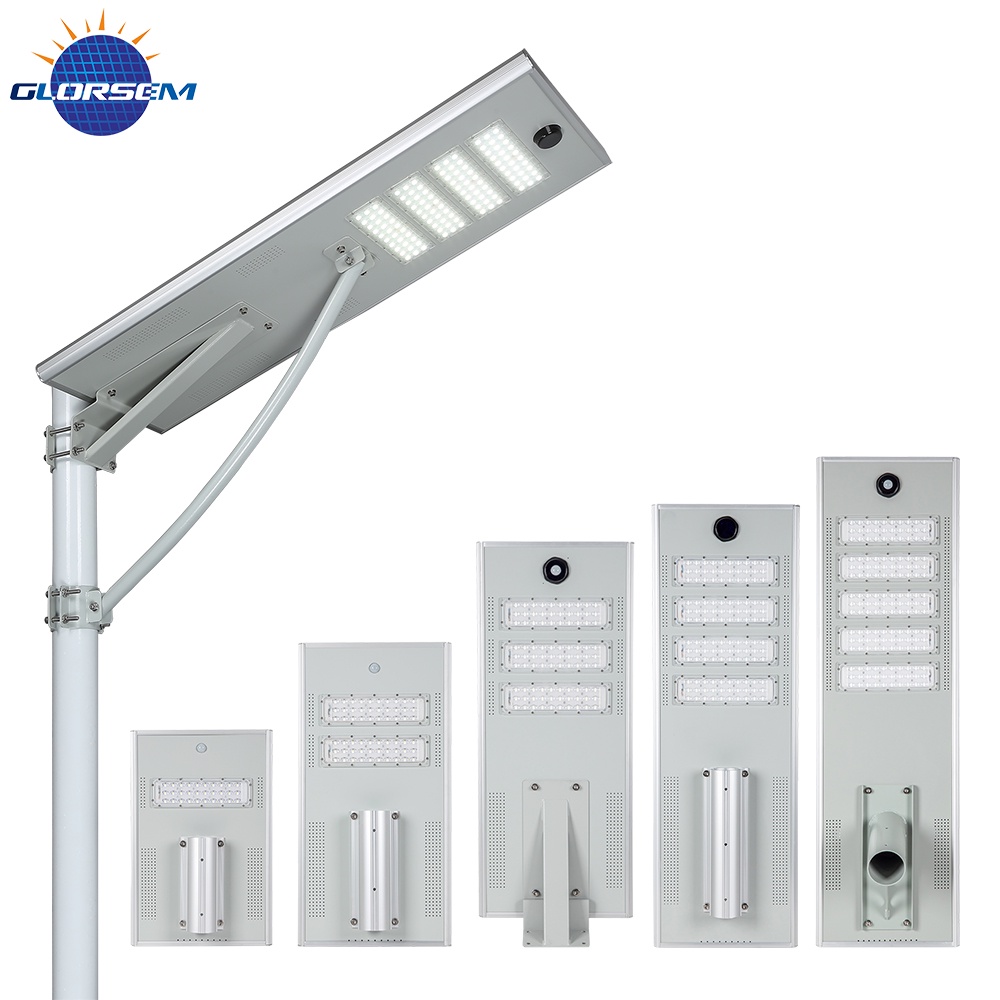
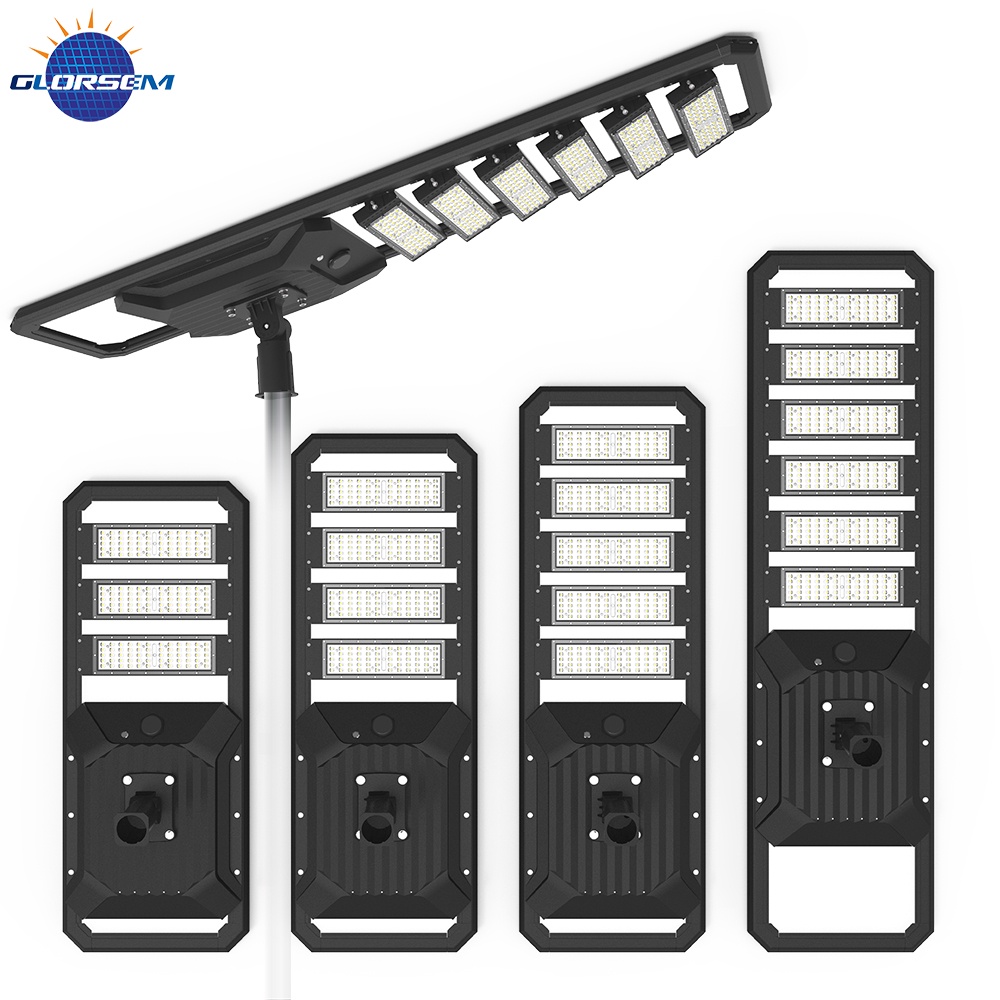
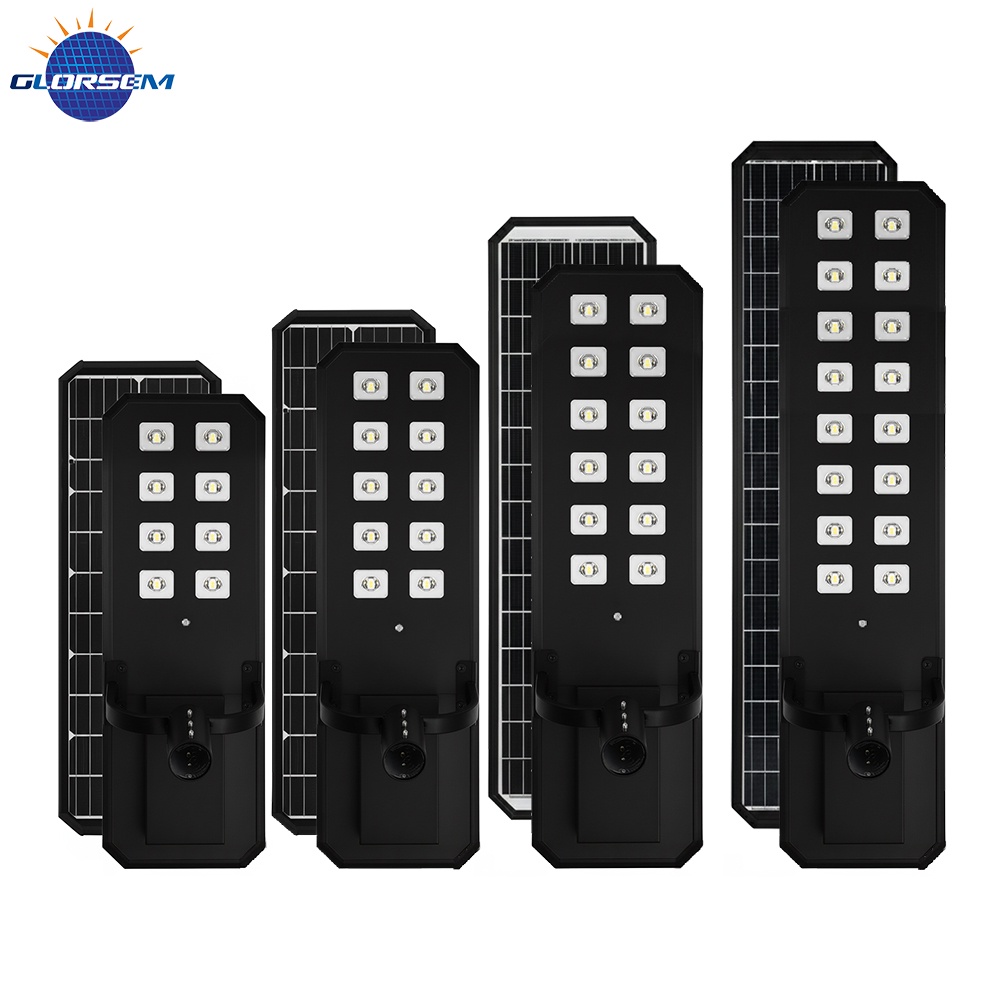
OUR SOLAR PROJECTS IN THE SOUTH AFRICA
TOP ALL-IN-ONE SOLAR STREET LIGHT WHOLESALE SUPPLIER IN SOUTH AFRICA
Qifeng launched the all-in-one solar street light with foldable design in 2021, which was designed by our German team for more than 1 year and tested for 2 years. This light stands out among various all-in-one solar street lights. It has been widely praised by customers all over the world.
As the all-in-one solar street light market continues to grow rapidly at a rate of more than 25%, more and more companies are starting to offer different solar street light solutions, some of which provide very good and high-quality products, but unfortunately, most companies are starting to launch some very cheap and low-quality products to the market, which look good and are practical.
But if you dig deeper and study their technical specifications in more detail, you will find that these products are completely insufficient to achieve optimal working conditions and cannot provide the expected service life of the all-in-one solar street light, which is less than 2 years or even one year.
Poor quality may be the main reason why more and more customers around the world do not trust the use of solar LED street lights, for example, the Iraqi and Nepalese governments have banned the installation of solar LED street lights because their governments are very disappointed with the quality of solar street lights.
Admit it: finding the best quality all-in-one solar LED street lights on the market is not the easiest thing nowadays. The fact is that there are many companies that produce solar street lights, which makes it difficult to determine which one is right for you.
Qifeng will try to explain why it is crucial to choose high-quality solar LED street light solution components.
The components of solar LED street lights include LED lights, batteries, controllers, and solar panels. The price and cost of solar LED street lights do depend on the components.
Recent Videos
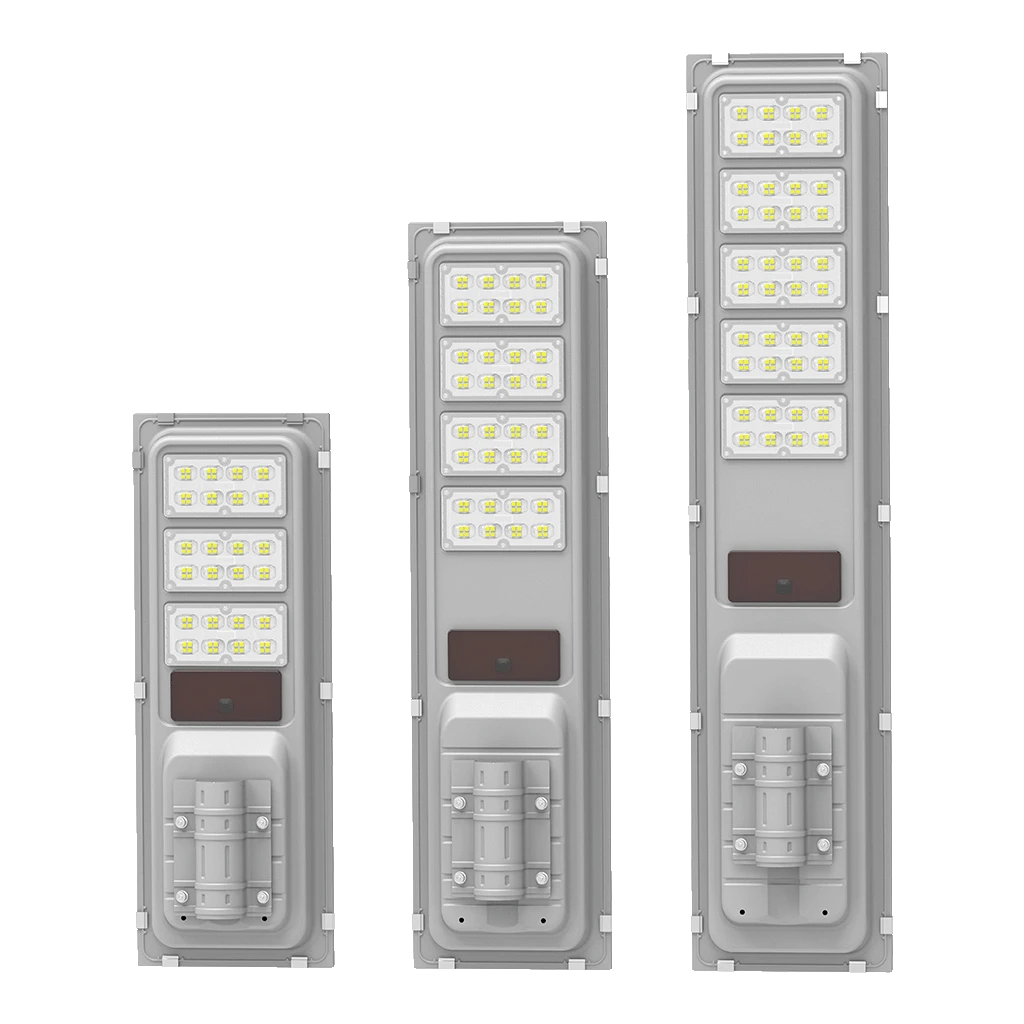
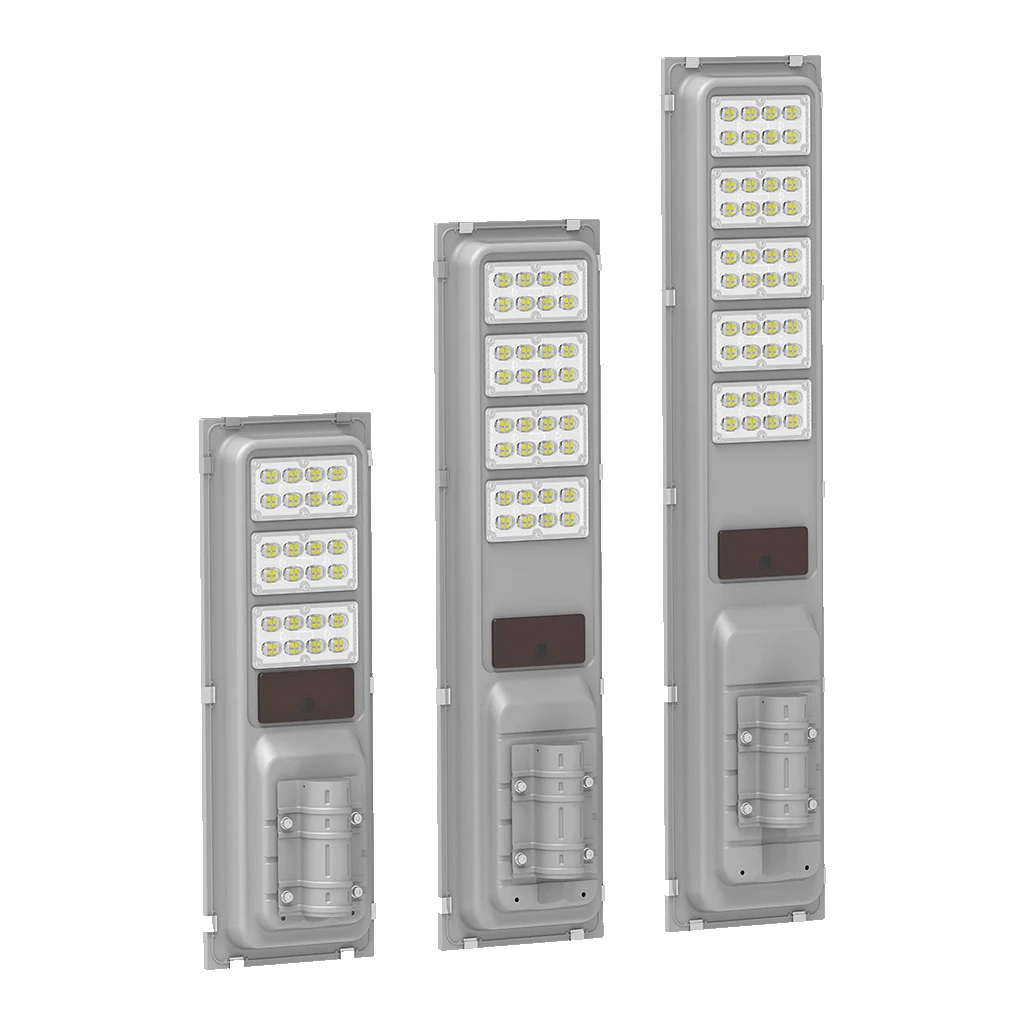
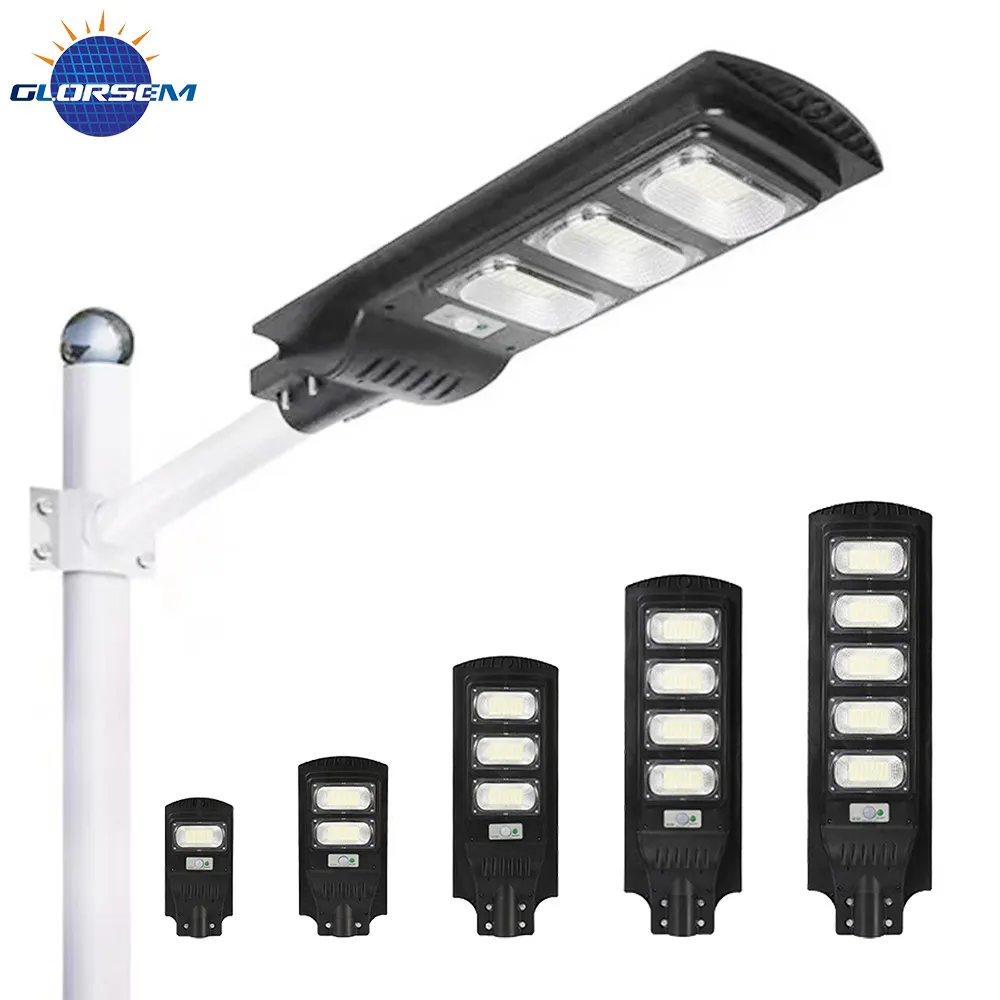
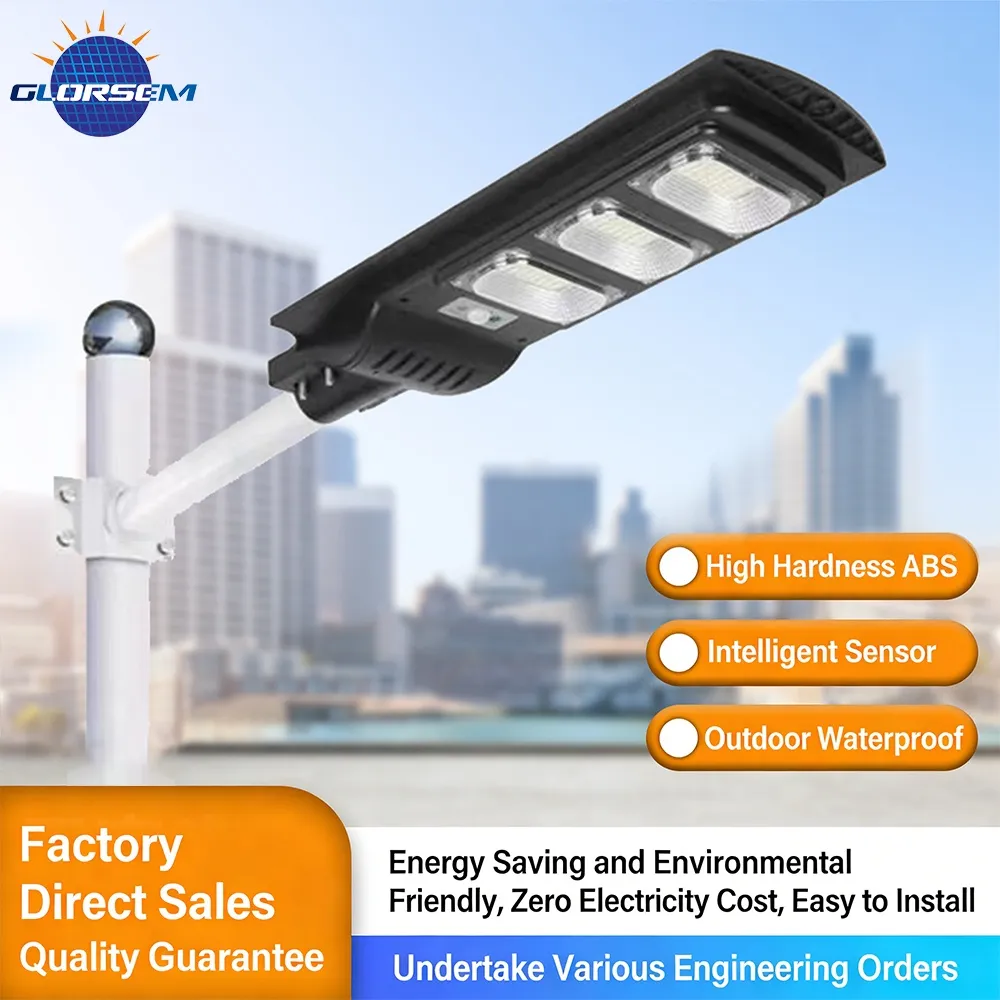
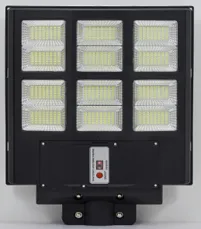
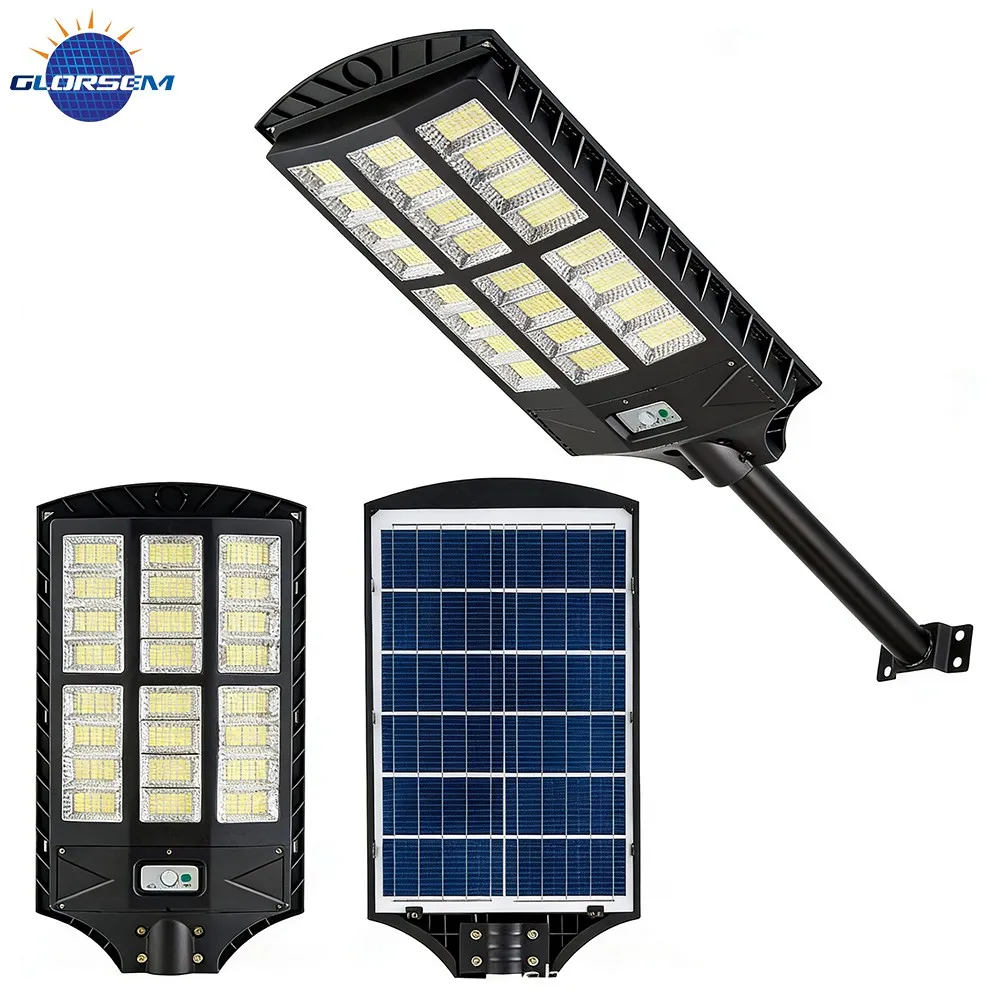
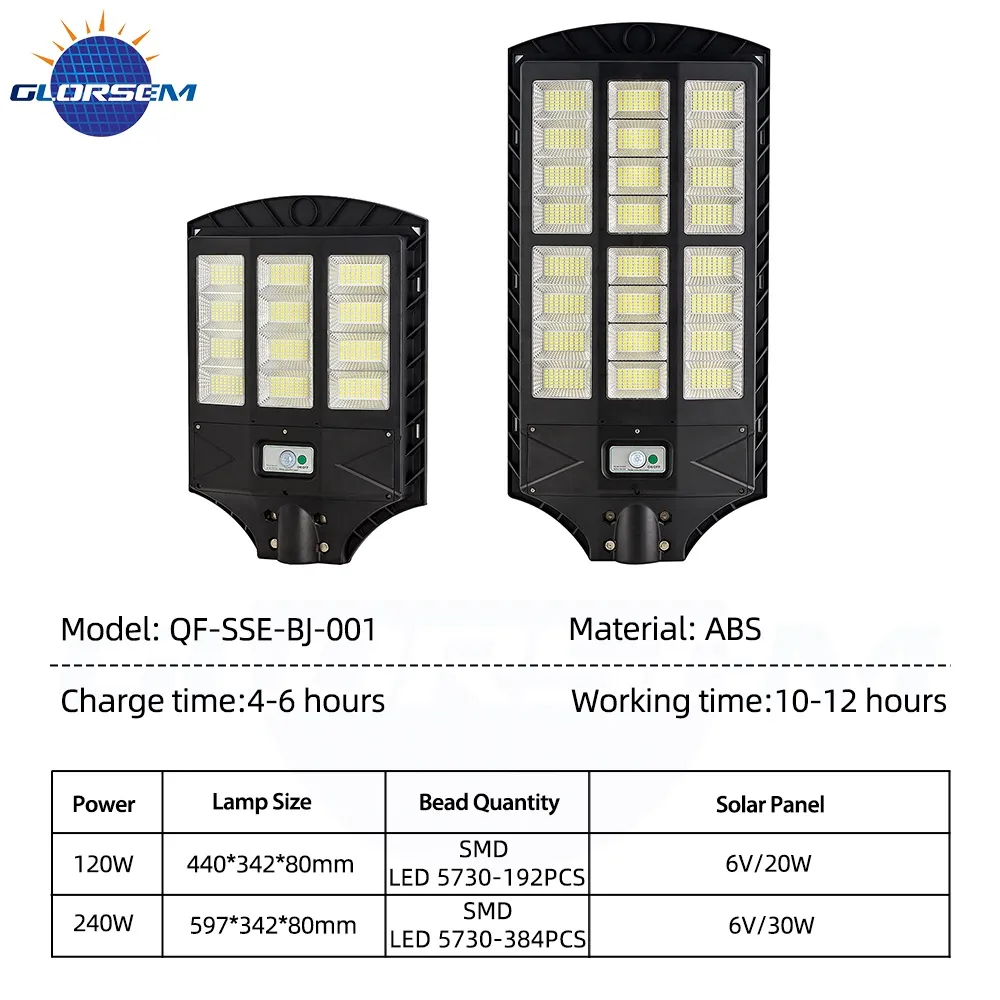
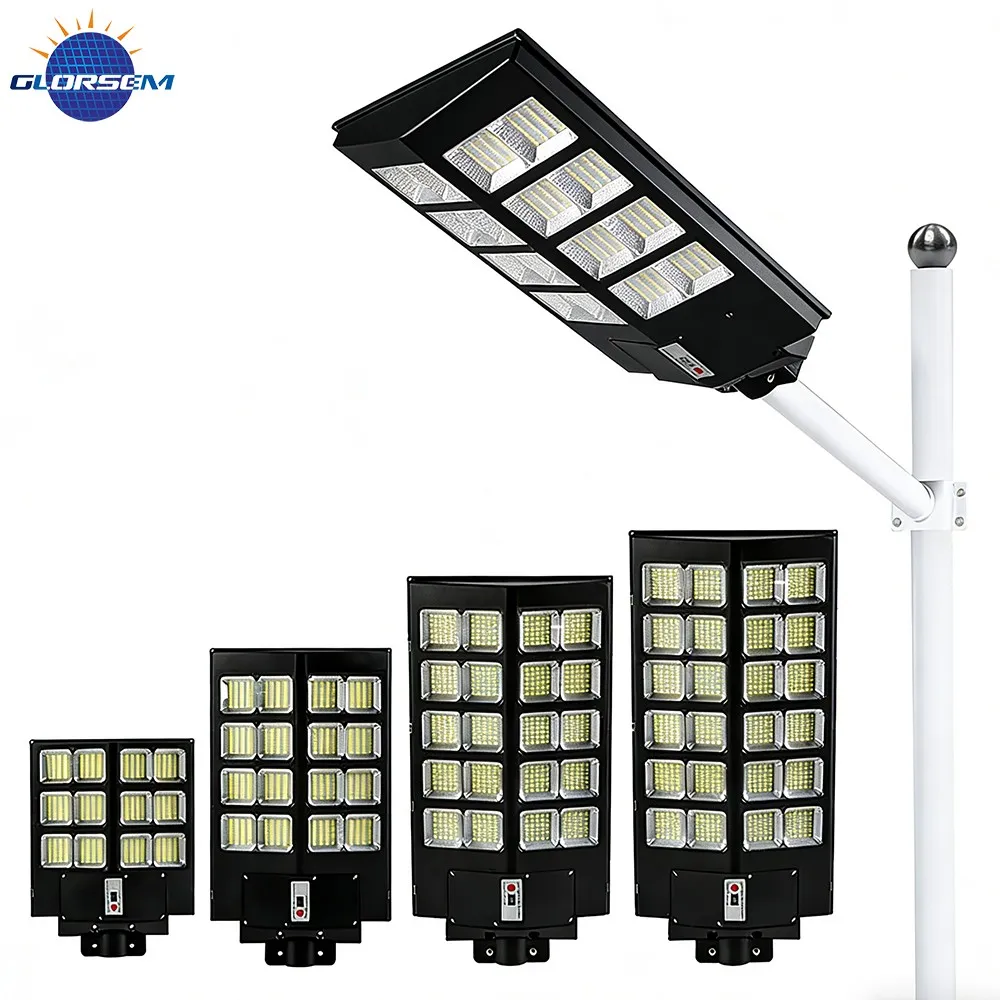
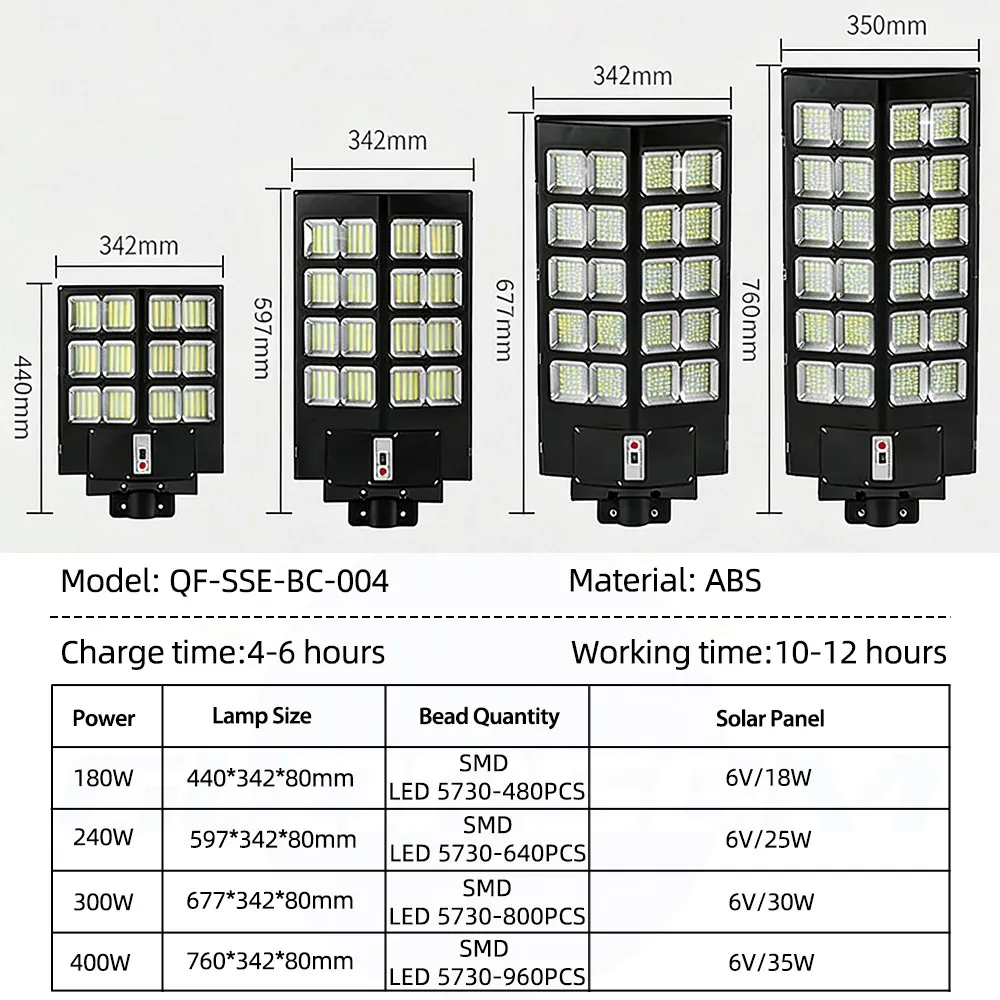
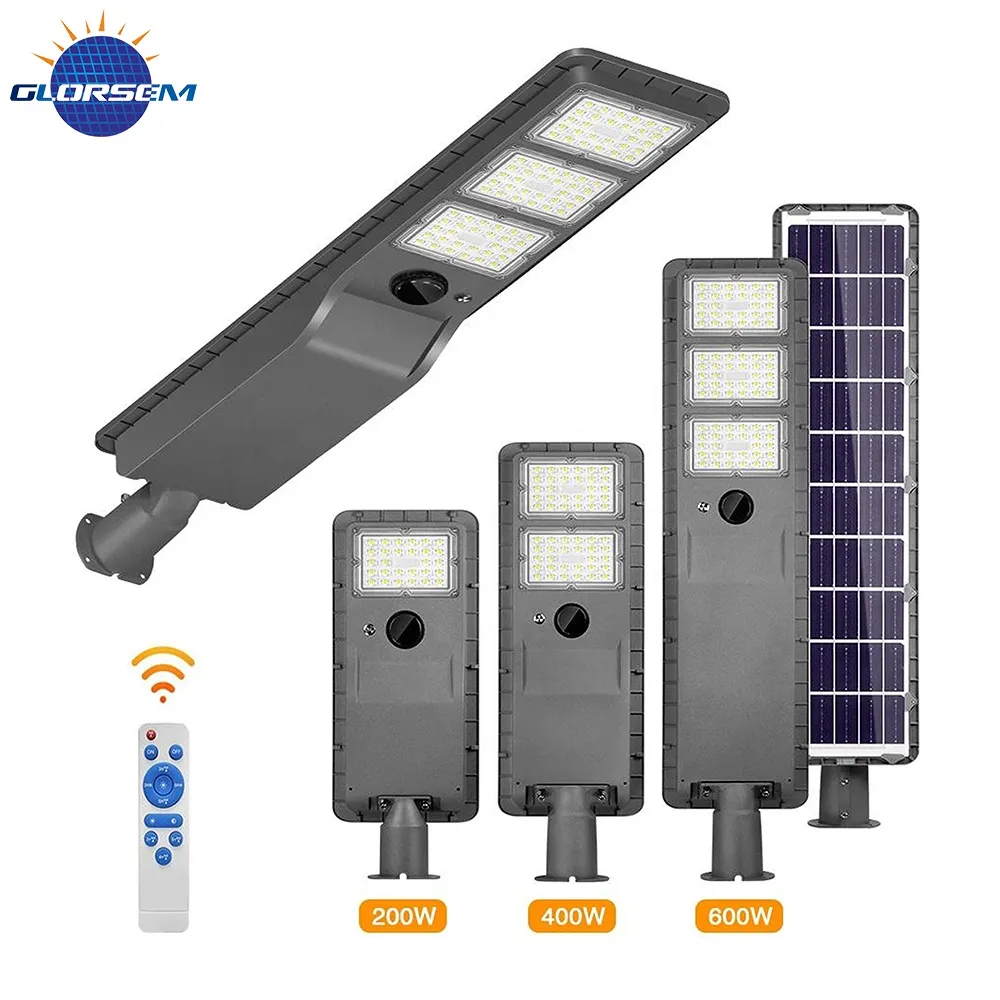
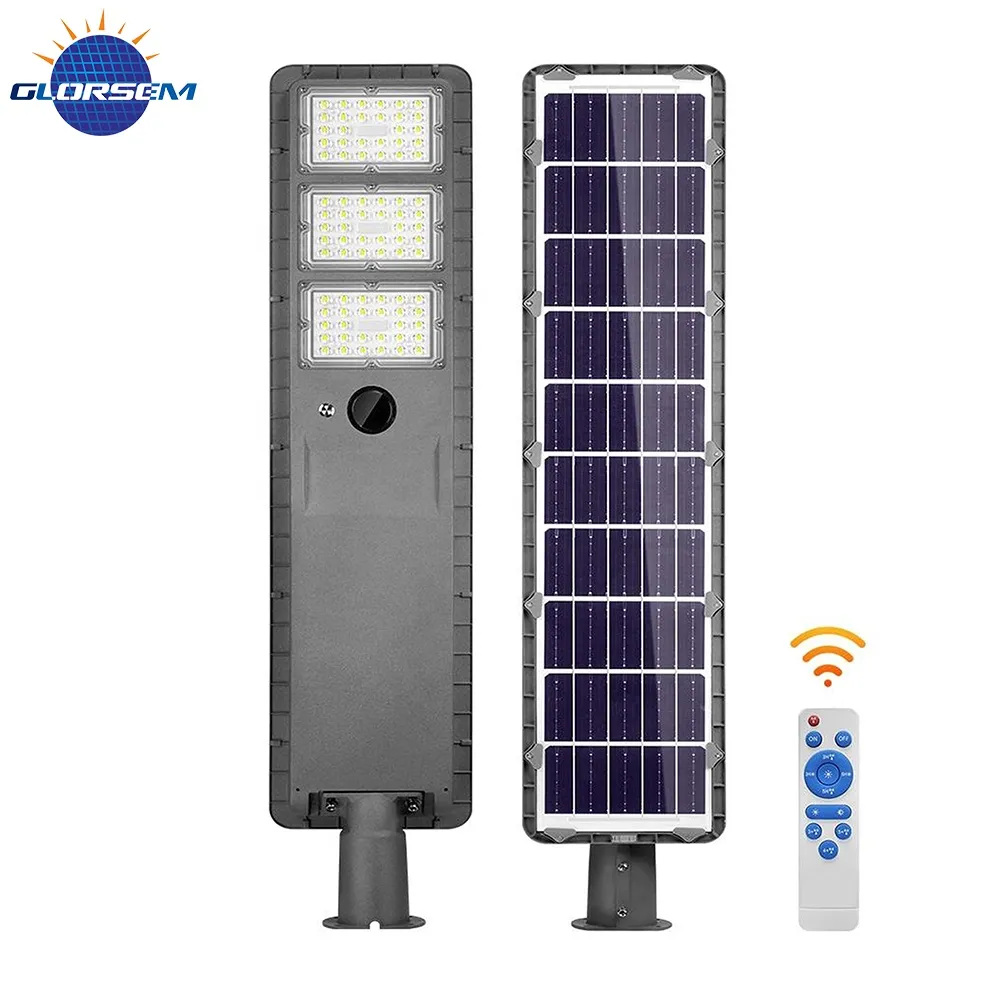
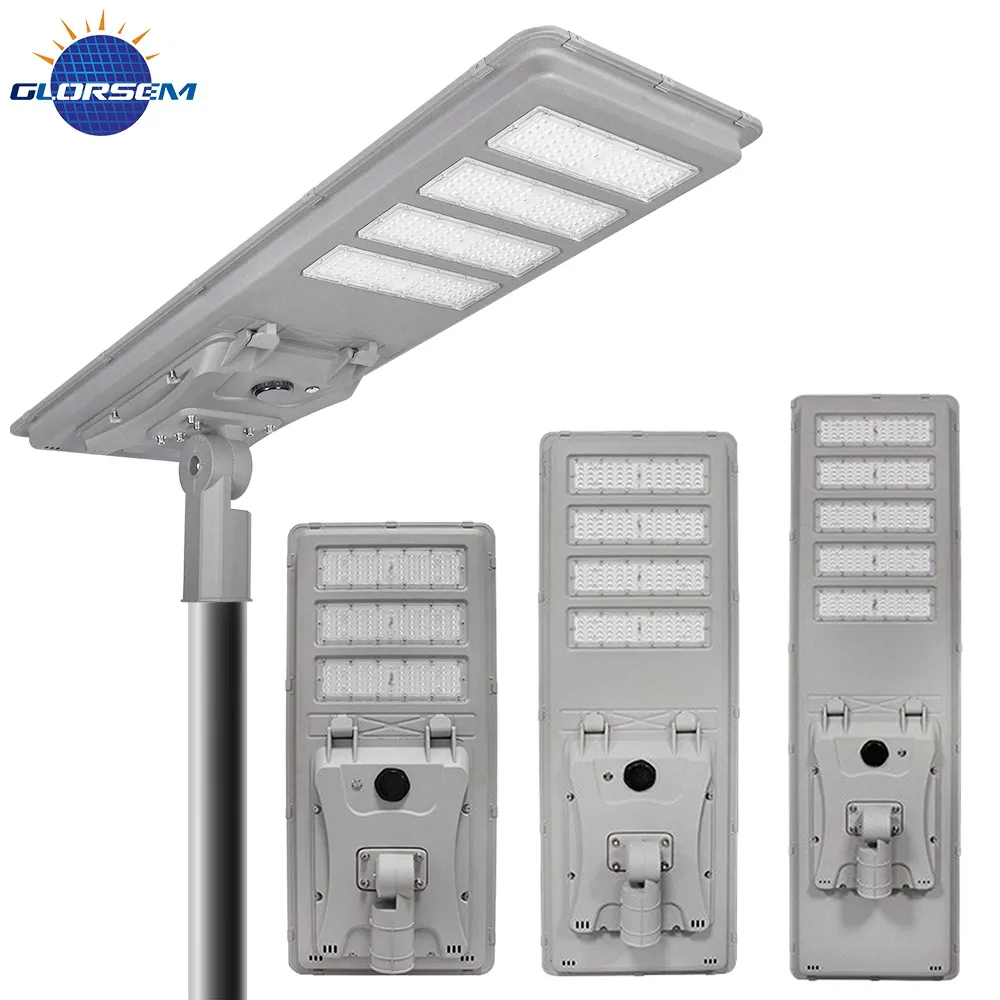
FIRST: ALL IN ONE SOLAR STREET LIGHT BATTERY TYPE
The main cost of solar street lights is the battery. And the cost of the battery takes part about 15% to 20% of the whole solar lights. So battery quality is the most important thing for solar lights purchasing.
When you want to buy integrated solar led street light, you may ask, should I choose a Ternary Li-ion battery or LiFePo4 battery, what is the cost, and how can I choose, well, you are not alone, 95% of solar street light Customers will ask this same question.
From the comparison table above:
A-class LiFePO4 Lithium> B-class LiFePO4 Lithium>Ternary Li-ion Lithium> Broken Lithium detached from the electric car (D-class), but over 90% of Solar street light manufacturers use the broken lithium battery which is detached from Electricity car, the lifespan less than one year.
Although A class LiFePO4 battery is more expensive than Ternary Li-ion Lithium, offers significant advantages, including improved discharge efficiency, longer life span, and the ability to deep cycle while maintaining performance and its chemical substance inside is more stable, which makes it kind of high-temperature resistance.
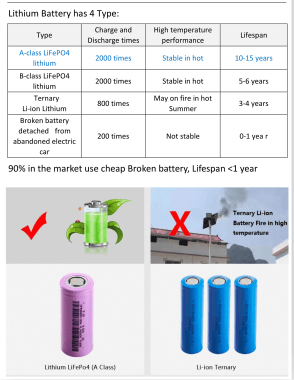
If you want to buy high-quality solar street lights, Qifeng recommends that you choose Class A LiFePO4 batteries or Class B Lifepo4 batteries, although their cost is higher than other batteries, but their service life will be extended by more than three to five years. Therefore, if your project is in tropical areas, it is recommended to use LiFePO4 batteries. But if the project is in northern countries, we recommend using ternary lithium batteries.
SECOND: ALL IN ONE SOLAR STREET LIGHT SOLAR PANEL SIZE AND CLASS
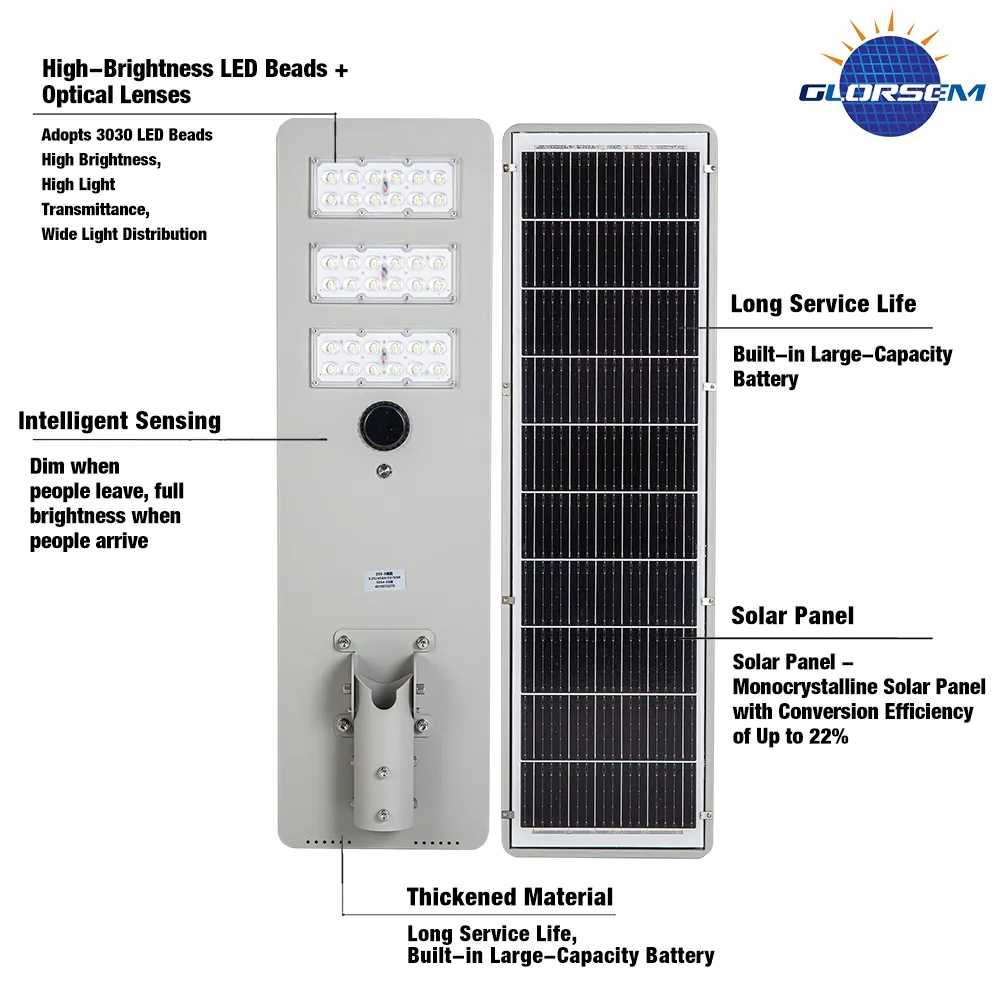
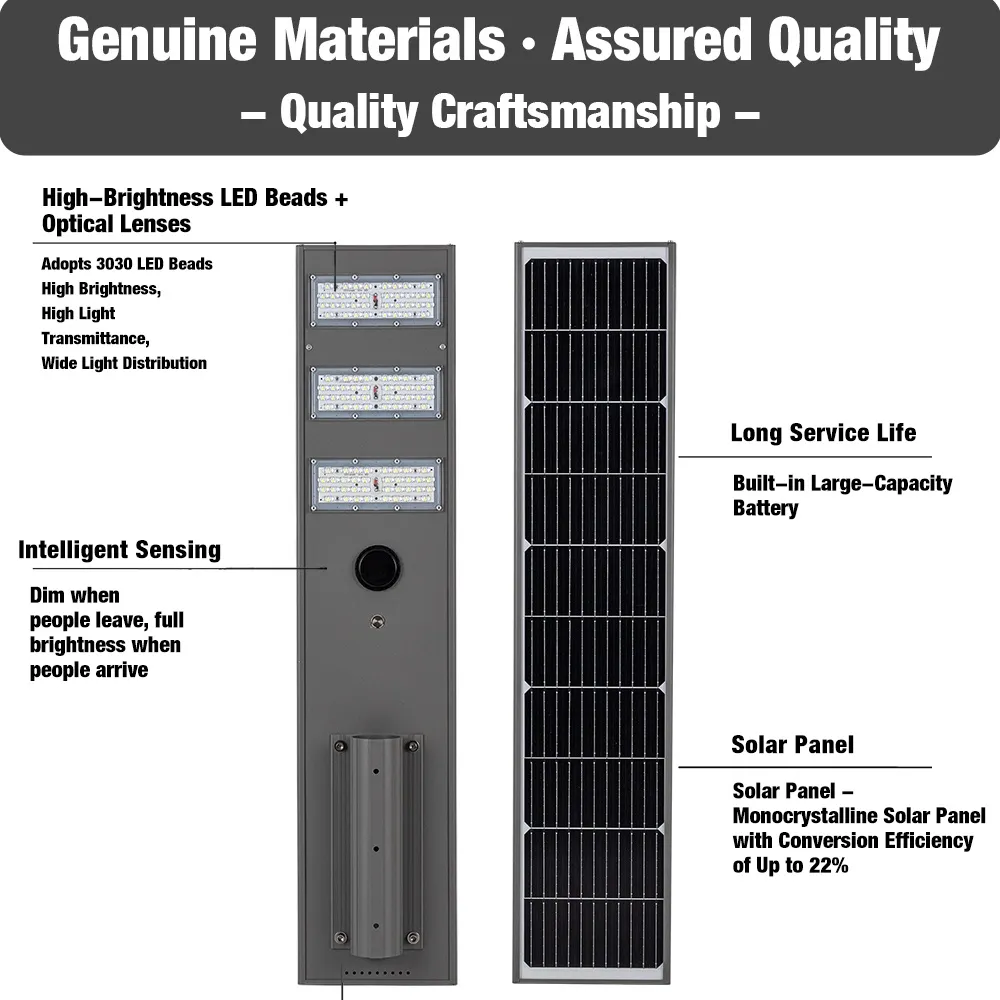
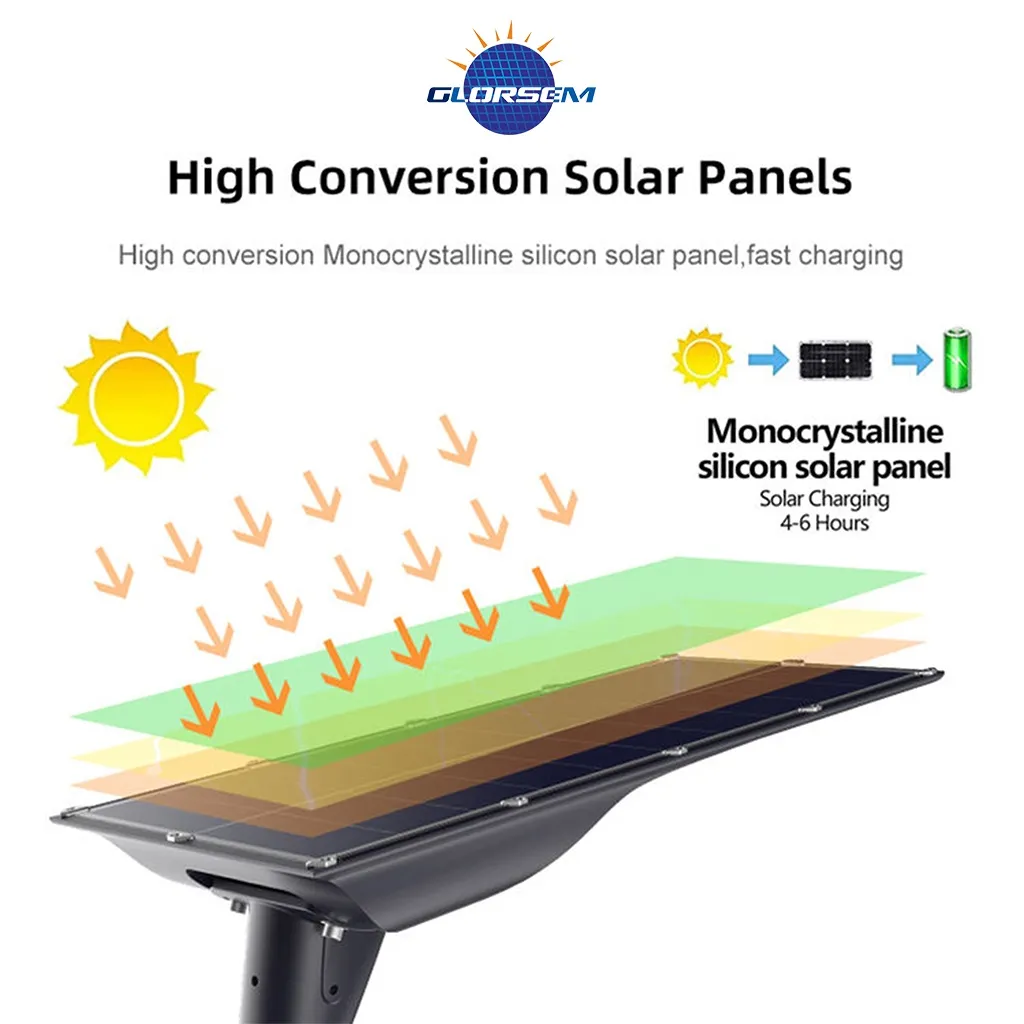
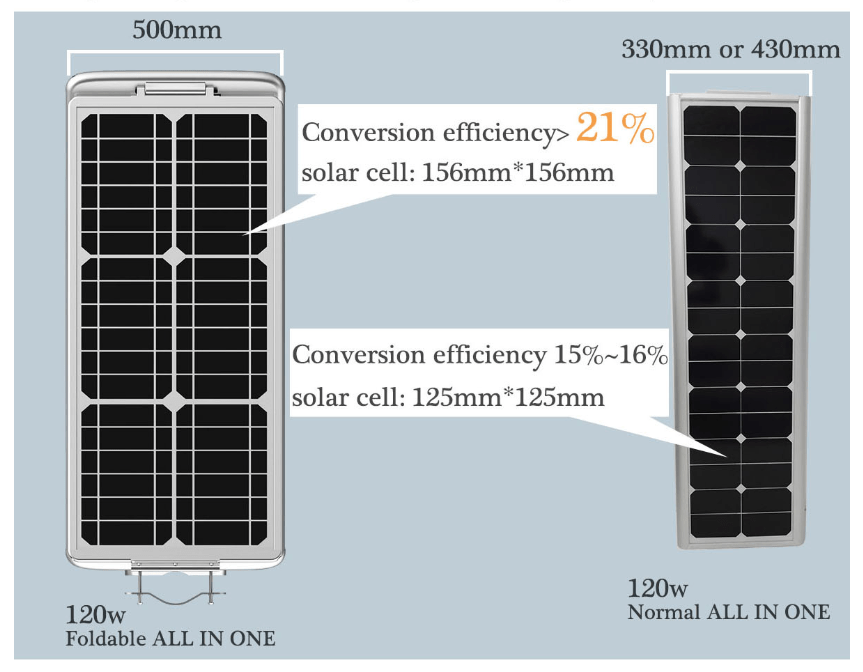
Why do we choose a Monocrystalline solar panel? By selecting a monocrystalline solar module, Solar-led street Lighting International knows it will produce more energy, work better in high temperatures, and last longer than a polycrystalline panel, We build these with our end-users in mind – you want a budget-friendly product that will last and that is what we provide.
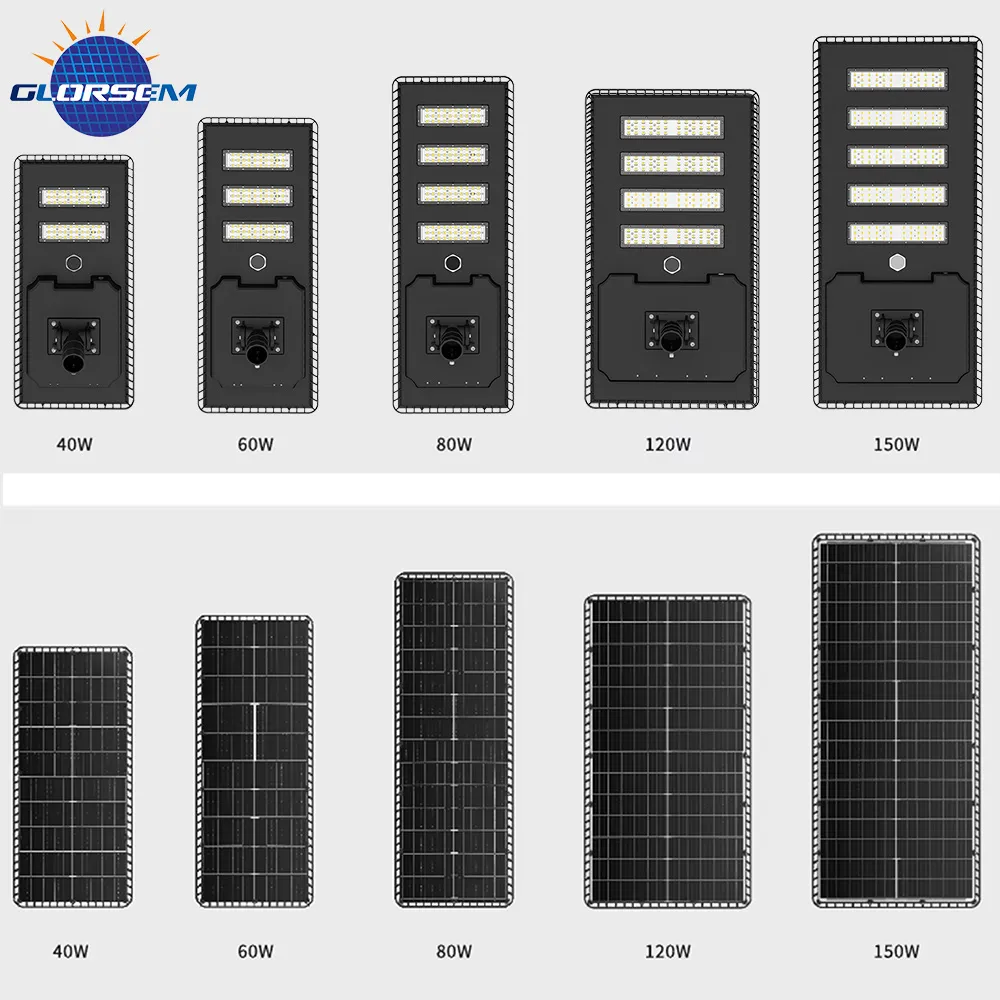
And the wider solar panel size means Large load power, and high capacity, which can increase the solar panel Efficiency, could offer enough power for bearing power, and is an insurance of brightness and longer backup time during cloudy days.
But the low-quality solar panel size configuration is less than two and half times load power. If the cloudy days exceed more than expected design requirements, the led light would not work.
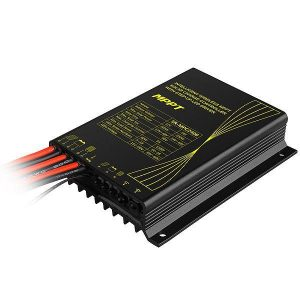
THIRD: ALL IN ONE SOLAR STREET LIGHT SMART MPPT SOLAR CHARGE CONTROLLER
There are 2 types of controllers: PWM and MPPT in the market.
All in one solar led street lights to adopt a smart MPPT controller, for, in this case, PWM will waste some energy collected by panels, while MPPT can convert all the solar energy collected into chemical energy and this smart MPPT improves battery life and provided the efficient service throughout the whole year.
Compared to our smart MPPT controller to PWM controller, the whole solar street light efficiency increased by about 30%.
FOUTH: ALL IN ONE SOLAR STREET LIGHT LED CHIP LUMENS
What is “ >160 Lumens per watt ”? Why does this matter? Because we produce more light, using less power than our competitors.
6,400 lumens – This is our entry-level fixture.
12,800 lumens – is our medium-based selection when you need that extra amount of light.
19,200 lumens – is for the client that requires the very best. A light designed for large areas or a multiple-lane roadway.
Remember watts don’t matter – lumens do! Lumens tell you how much light you can expect from the light fixture, watts just tell you how much power it consumes. The higher the lumen per watt ratio, the better and brighter a system you can expect.
210lm/w: Brightness decayed in 5 years and more than 80% brightness remained.
110lm/w: Brightness decayed in 2-3 years and about 20% brightness remained.
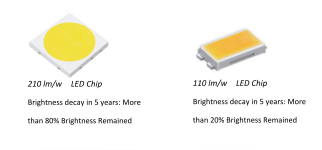
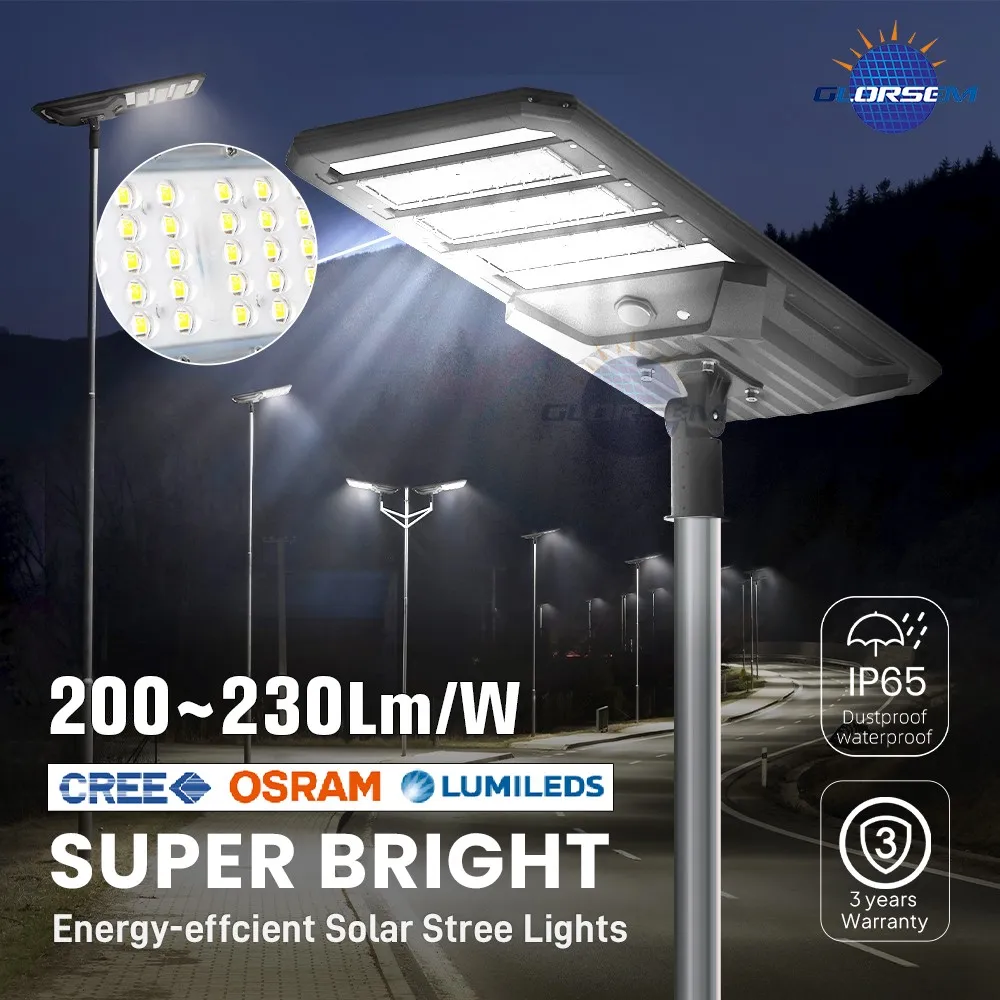
Qifeng solar street lights provide high levels of lighting output, over 160 lumens per watt, making our solar street lights look bright.
FIFTH: ALL IN ONE SOLAR STREET LIGHT CASE AND BRACKET MATERIAL
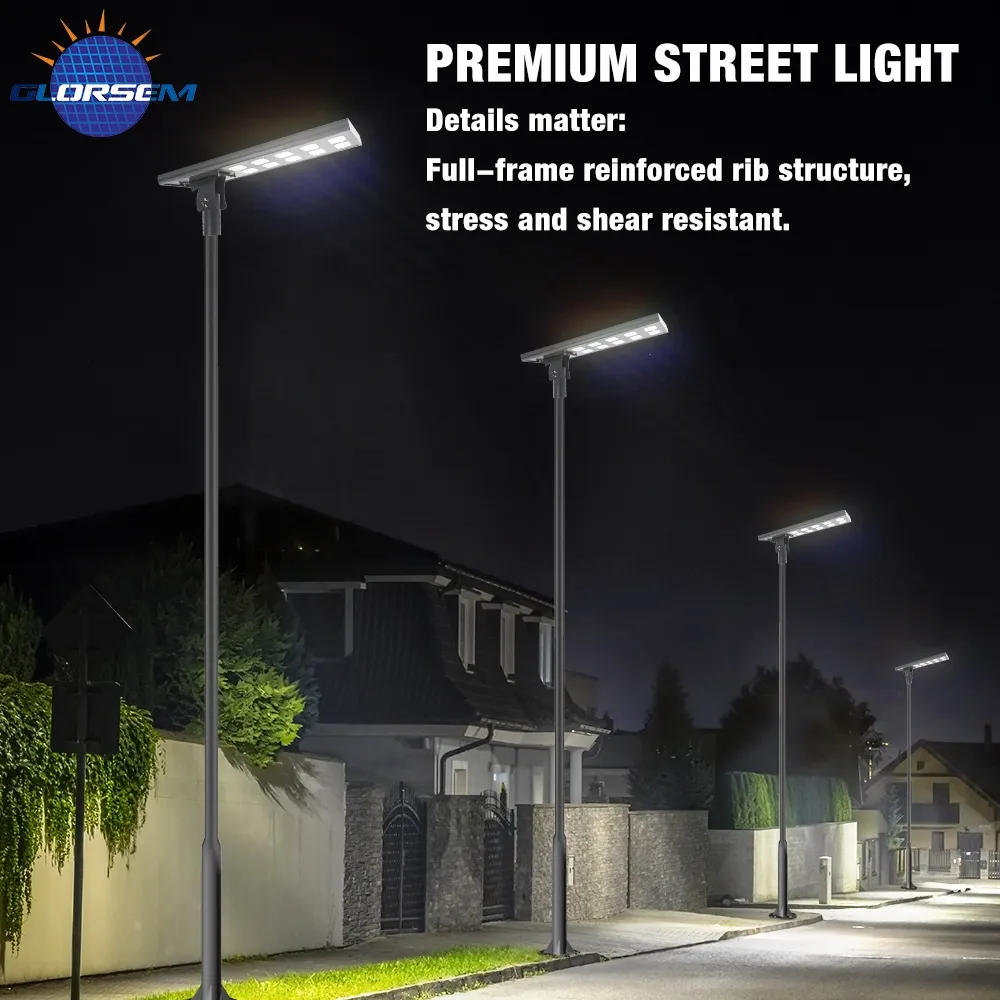
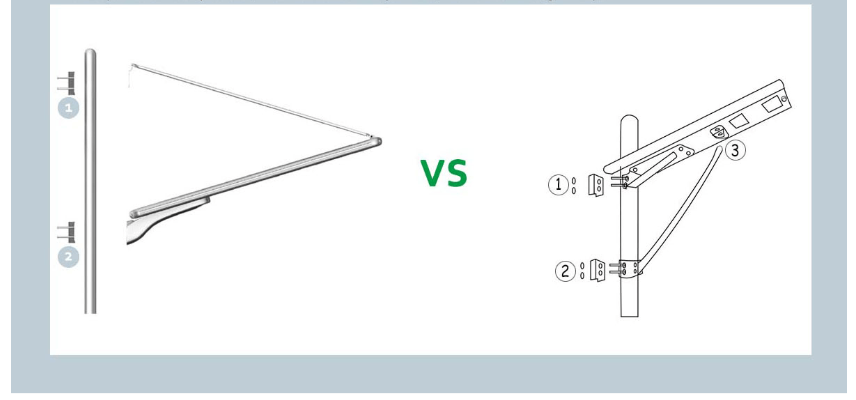
High-quality solar street lights use custom die-cast aluminum molds, and the advantages of die-cast aluminum molds are light weight, strong, corrosion-resistant, and rust-proof. It can resist strong wind loads up to 130MPH and has a service life of more than 25 years.
Stainless steel screws are used as fasteners to withstand any bad weather. The die-cast aluminum mold is elegant and distinctive.
Poor quality solar street lights only use molds and rough workmanship, and the installation structure requires knight head support to make up for the structural strength problem, making the installation more complicated, lacking stability, and cannot resist strong winds.
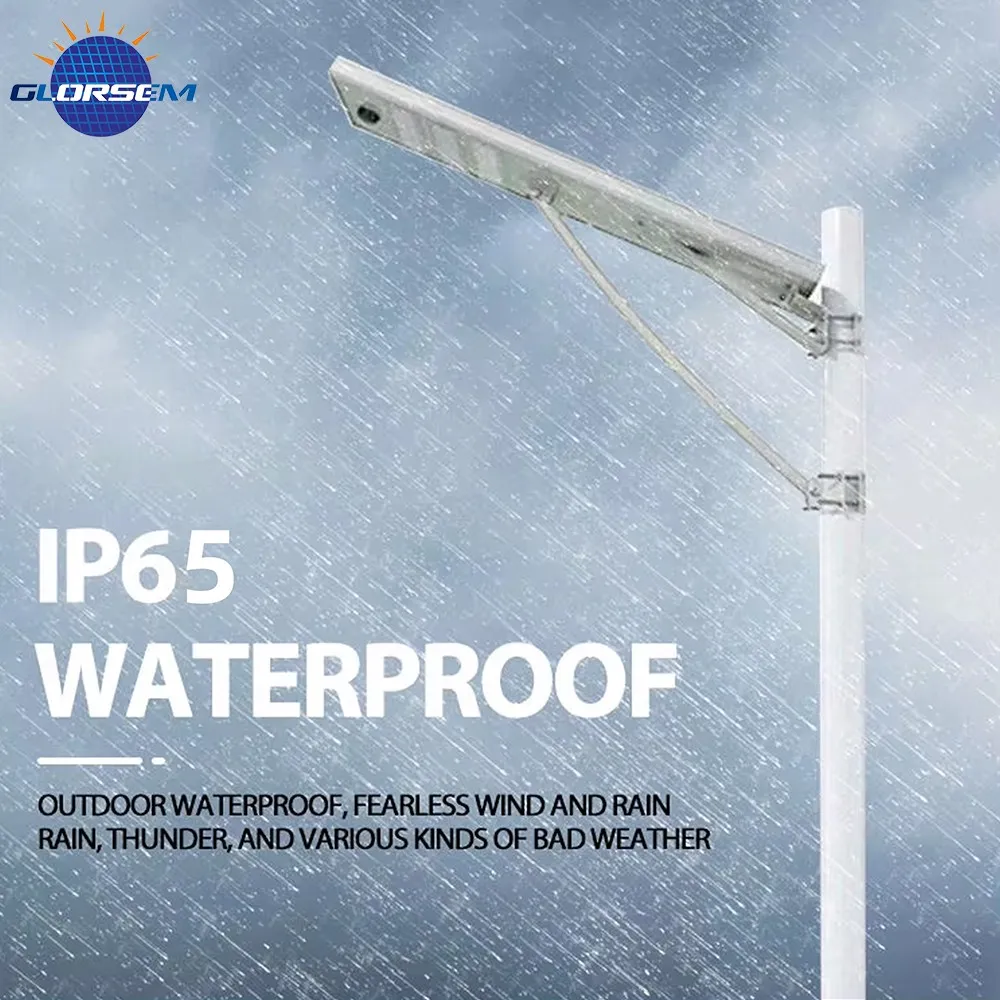
In addition, this metal housing has an IP66 protection rating, which enables the Qifeng solar street light to operate in adverse weather conditions
SIXTH: ALL IN ONE SOLAR STREET LIGHT HEAT DISSIPATION NEW DESIGN BETWEEN SOLAR PANEL AND LIGHT
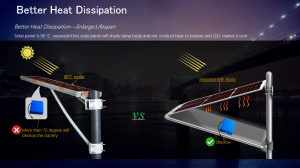
In summer, the solar panel is as hot as 90°C, and 70°C inside the solar lamp body. (we have tested )
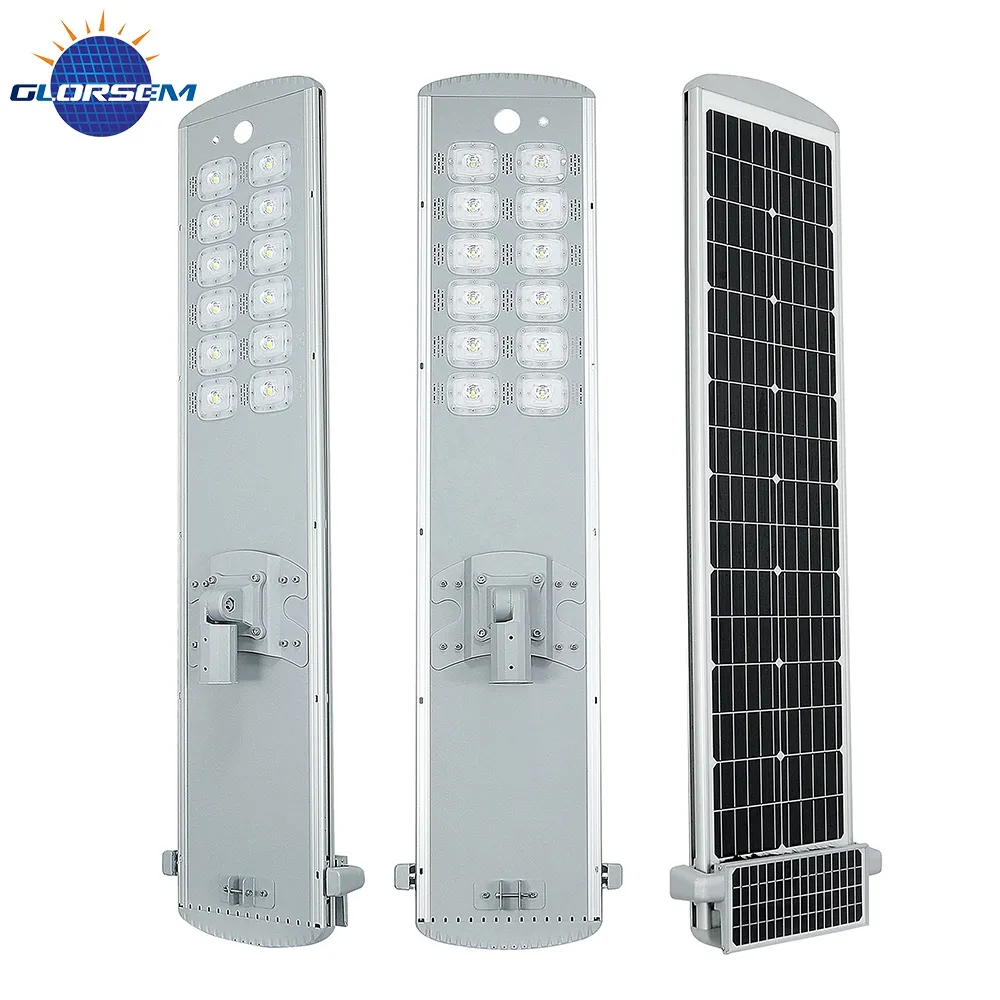
Hot will damage the battery and LED source, so we separate the hot solar panel and it has a shadow, makes solar street light cool, and enlarge the lifespan of the battery and LED source.
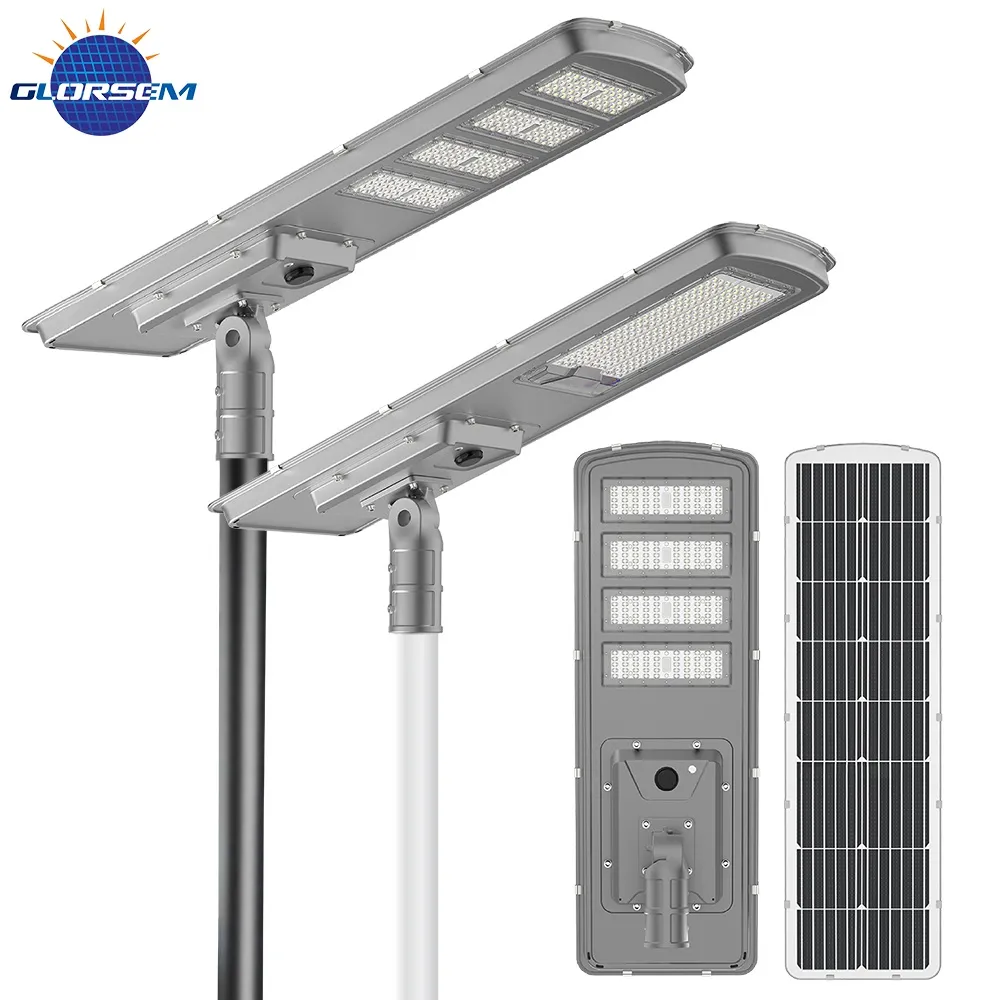
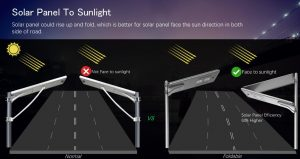
SEVENTH: ALL IN ONE SOLAR STREET LIGHT SOLAR PANEL CAN ADJUST
As we all know. In the northern hemisphere, the sunshine rises from the south, but in the southern hemisphere, the sunshine rises from the north.
That is why we need to design solar panels to fold and unfold in order to ensure the solar panel face the sun on both sides of the road,
In the northern hemisphere, we can unfold on the north side of the road, fold on the south side of the road
In the southern hemisphere, we can unfold on the south side of the road, fold on the north side of the road
And different countries and regions have different geographic locations and latitudes. When people install solar street lights in some place, on one side, the solar panel can face the sun directly, but on the other side, the solar panel can not face the sun,
so if the solar panel can be adjustable, it will absorb more solar energy, which can maximize the conversion of solar energy while the lower quality solar led street light panel is fixed, causing a low conversion rate of solar and the using areas are also limited.
The best all-in-one solar street light manufacturers and suppliers are already implementing many new designs in order to improve solar street light solutions, one of the top all-in-one solar street light manufacturers and suppliers in the world is a Shenzhen-based company Glorsem.
Qifeng——Glorsem developed a completely German new design integrated solar street light mode that uses the best class battery and MPPT controller with high efficiency, monocrystalline solar panel, smart MPPT (Maximum Power Point Tracking) charge controller, > 160 lumens per watt adjustable LED modules, a long life LiFePO4 battery, microwave sensor control that allows 365 days of smooth operation.
We also provided 5 years warranty on all one integrated solar street light, we can offer this longer warranty as we are focused on using only high-quality components from reputable products.
SOUTH AFRICA SOLAR POWER OVERVIEW
Solar Power in South Africa
The entire continent of Africa is home to a wide variety of natural resources, and South Africa, in particular, is excessively rich in solar power. As a result, there is so much potential for South Africa to use solar energy to its fullest potential, and luckily, the government has acted relatively quickly on this possibility.
The South African government implemented an energy policy named The South African Renewable Energy Independent Power Producer Procurement Programme (REIPPPP) that aims to seek alternative energy sources in an effort to combat climate change and save money. They has also already made a plan to develop energy generation infrastructures for 2010 to 2030, aiming to reach 9600MW of solar power capacity by the end of 2030.
Why Solar Energy Is a Good Choice for South Africa
Throughout the years, the costs of solar energy have started to steadily decline, and currently, they are now affordable. As a result, switching to solar power is a highly recommended option, and this is especially true for South Africa since this nation receives a lot of sunlight and solar radiation. To be more specific, the average number of hours of sunlight in South Africa is 2,500 hours a year, and its average solar radiation levels is between 4.5 and 6.5kWh/m2 per day.
Because of all this, once South Africa moves from fossil fuels to solar energy for energy generation, the country can help impede climate change and save a ton money in the process as well.
Solar Projects in South Africa
Following the announcement of their plan to develop more renewable energy generation infrastructures, the South African government started constructing solar projects. One of the most prominent projects is the Jasper Solar Energy Project, which provides enough solar power to 30,000, thus making it one of Africa’s largest PV power stations.
Another notable project is the Kathu Solar Park. This has a capacity of 100MW, which makes it the largest solar park in South Africa. Other solar projects include Solar Capital De Aar Project 1 and 2, Mulilo Sonnedix Prieska PV, and the Kalkbult Solar Power Plant.
In addition to these large-scale solar projects, South Africa has also seen a rise in the installation of residential solar PV since 1992. This can help further the country’s transition from biofuels to solar energy.